

World Press Freedom Day 2024
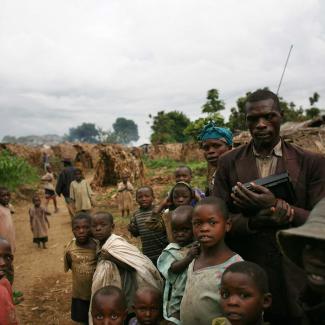
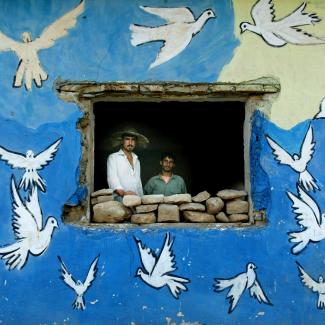
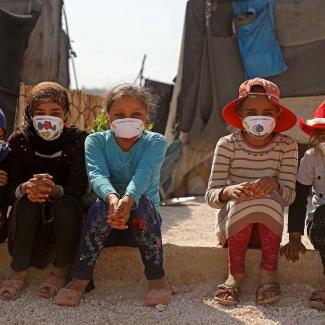
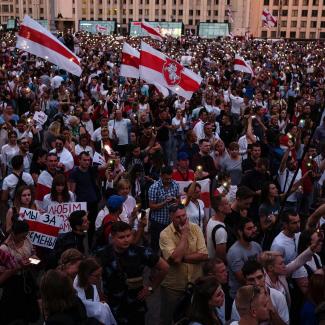
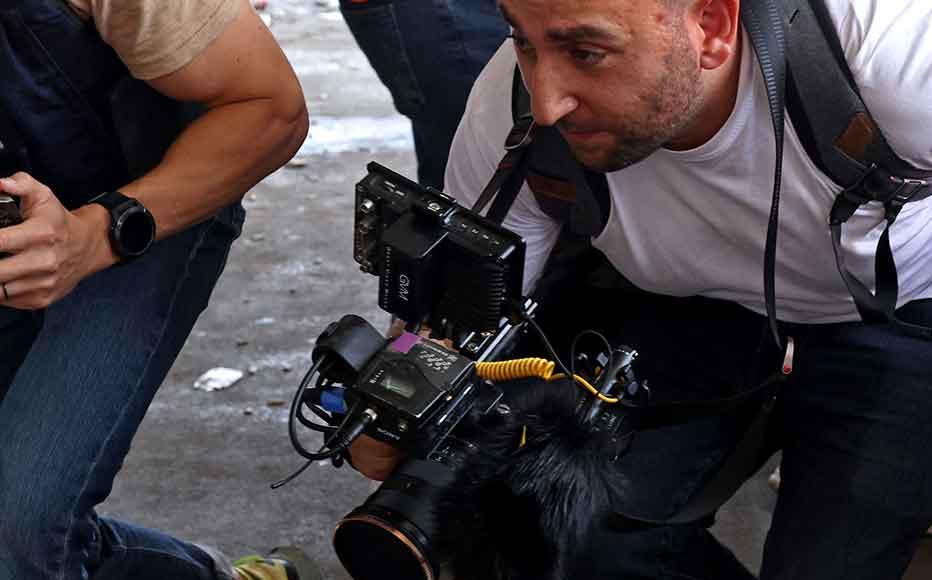
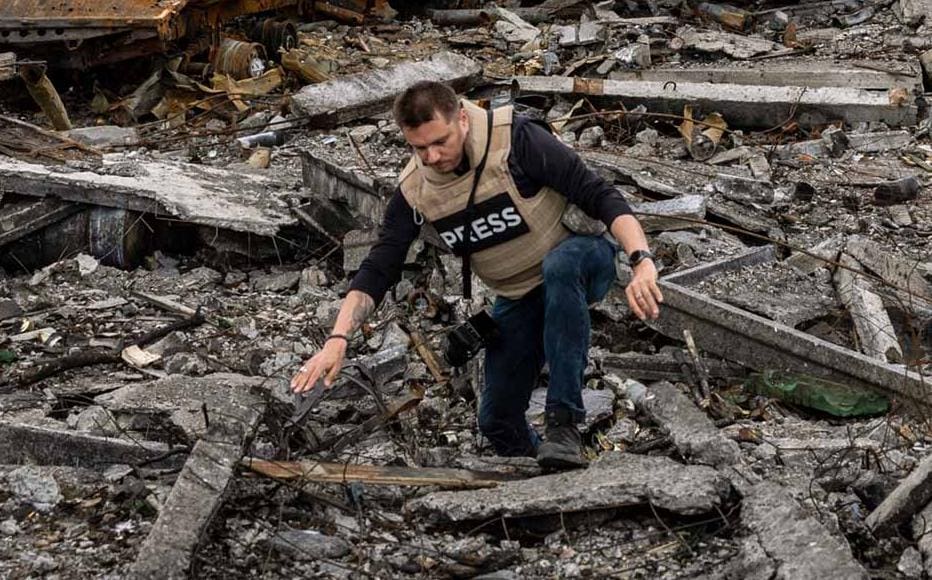
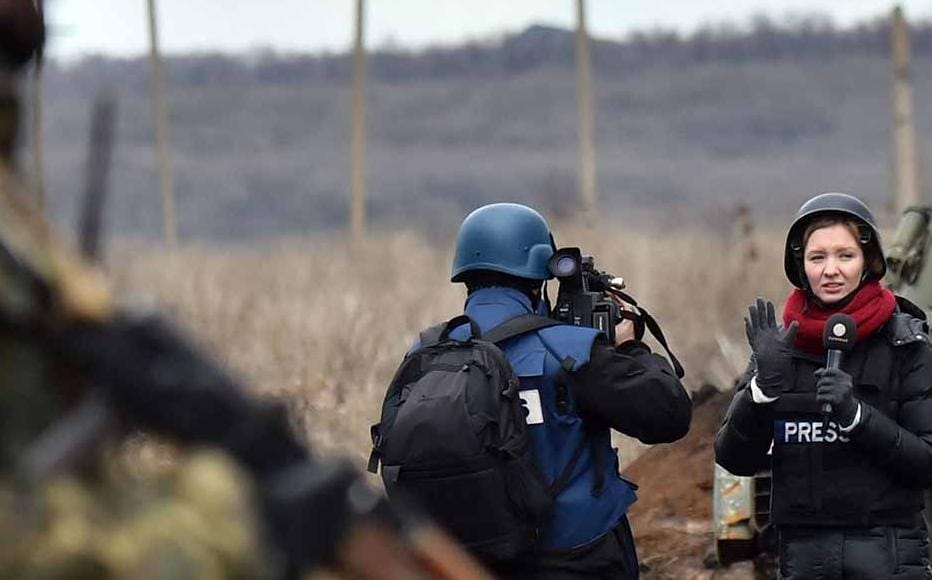
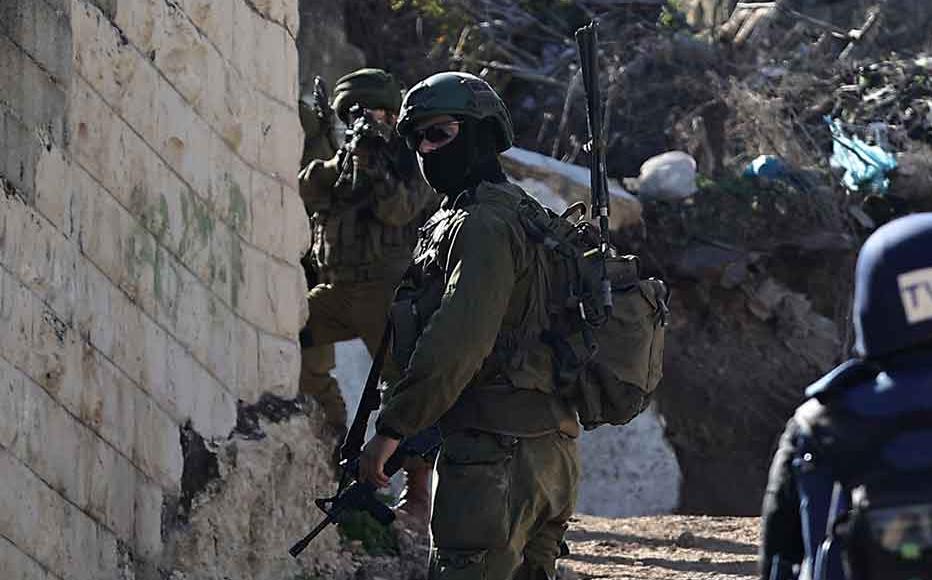
On World Press Freedom Day we focus on local journalists facing myriad challenges in the tireless pursuit of truth and their enduring efforts to bring meaningful change.


IN THIS ISSUE

Ukraine Justice Report - Issue 90
• Interview: Argentina to Consider Ukrainian Case
• Weekly Justice Briefing

Russian Security Official to be Tried for Torture
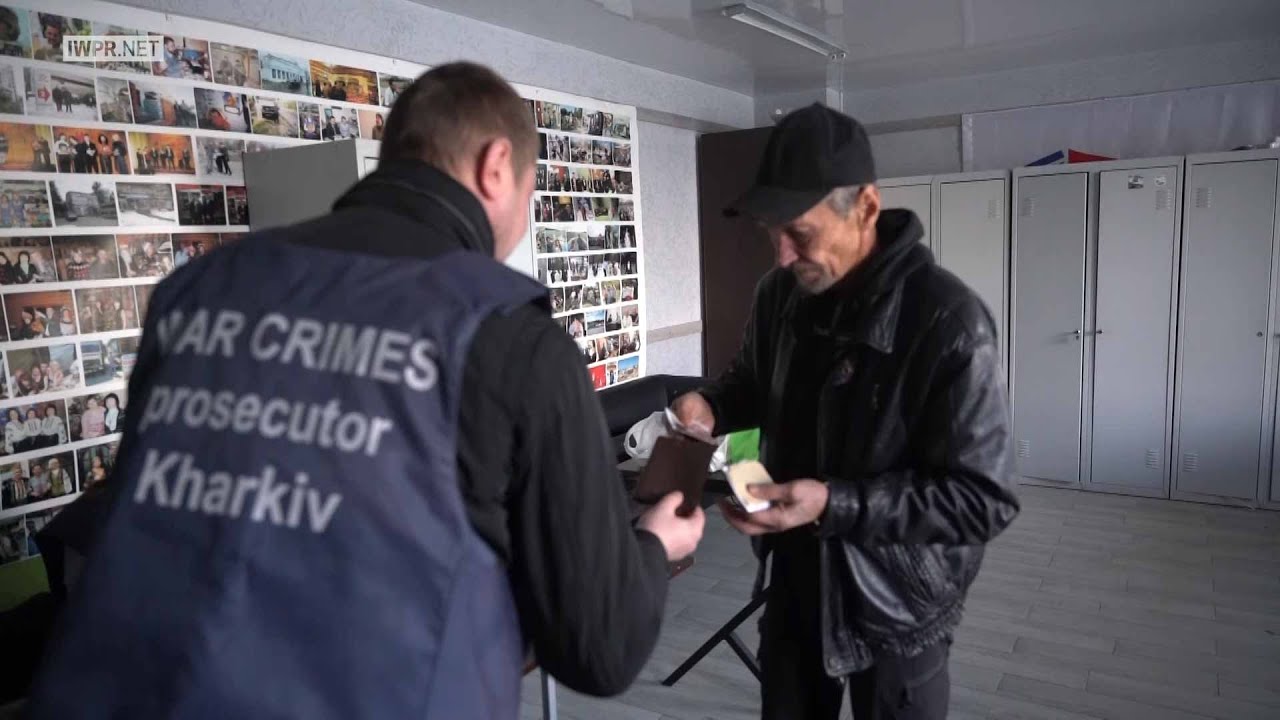
During the occupation of Kharkiv region, the accused ordered and participated in the detention and torture of local residents.

Argentina to Consider Ukrainian Case
“It is important for us to show that crimes have no borders and Russian criminals must be caught everywhere.”
Tuesday, 7 May ‘24
This week’s overview of key events and links to essential reading.

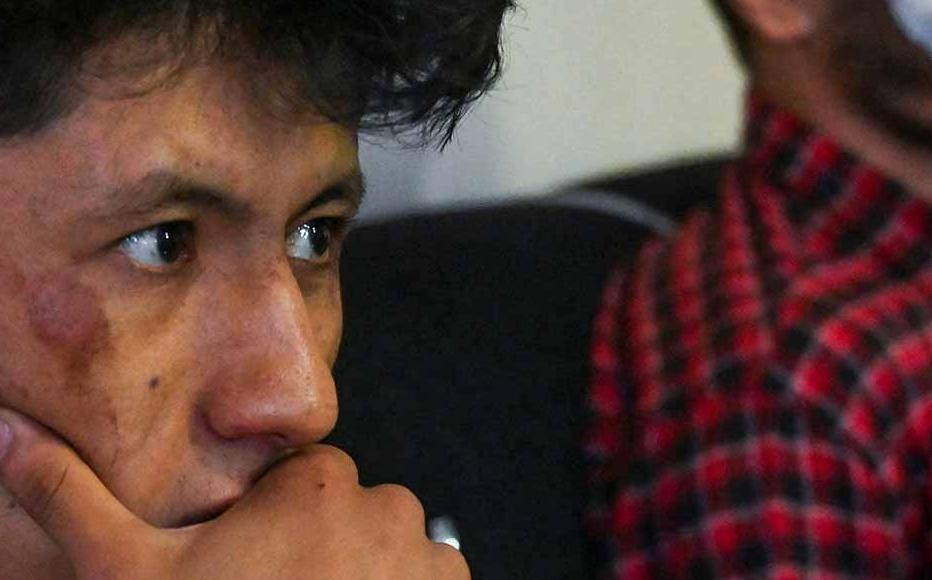
The Courage of Local Voices
The painstaking work of proper journalism is the bedrock of our freedoms.

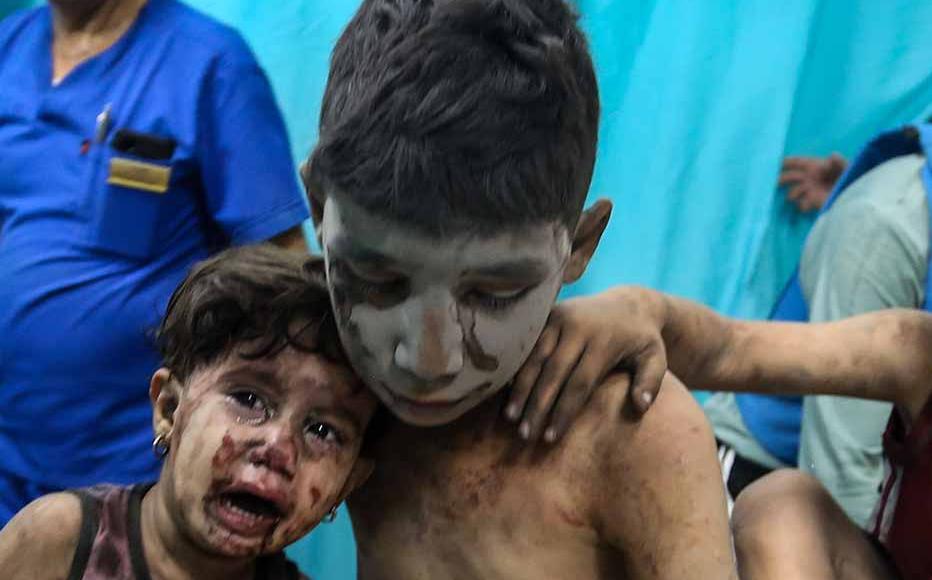
Gaza: “Everyone Has a Family in Danger”
How local journalists cover the story amid intense physical and mental peril for themselves - and their loved ones.

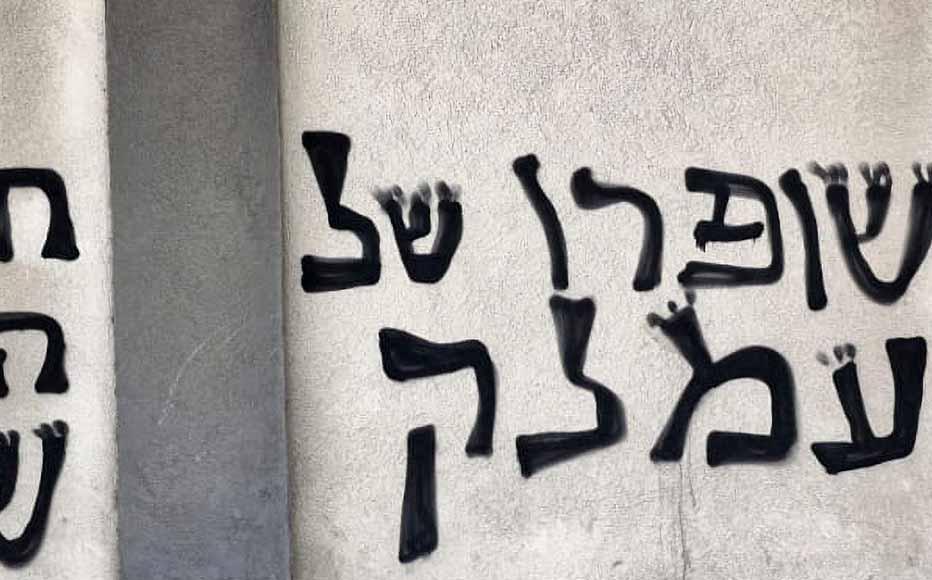
Israel’s Media Blindness Over Gaza
Why there’s such a gap between what Israelis and the rest of the world see on their TV screens and social media feeds.

Ukraine’s Information Vacuum
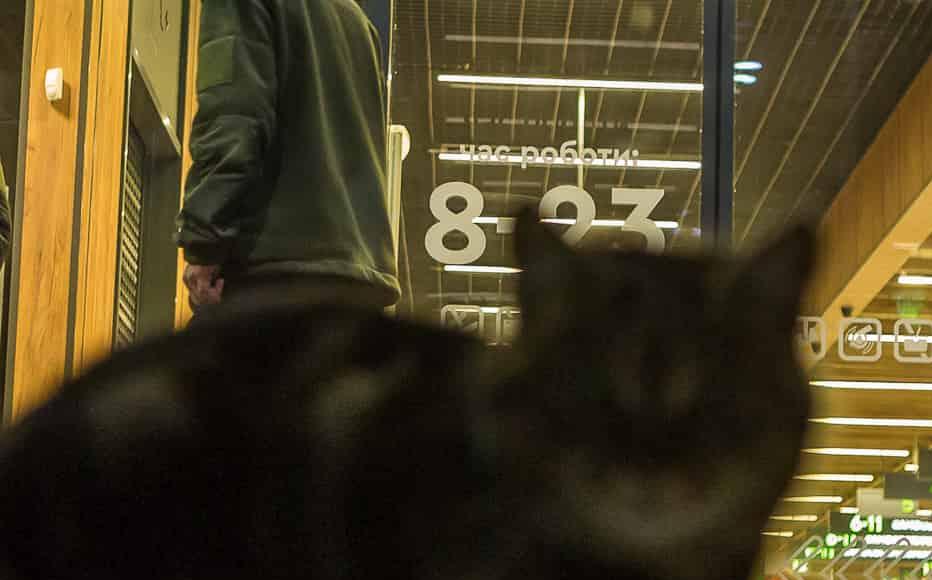
Those living under occupation can only get their news from Russian media and social networks.

Press Freedom Struggles in Kenya
Cases of harassment have mounted amid a surge in police brutality as well as overt government antagonism.

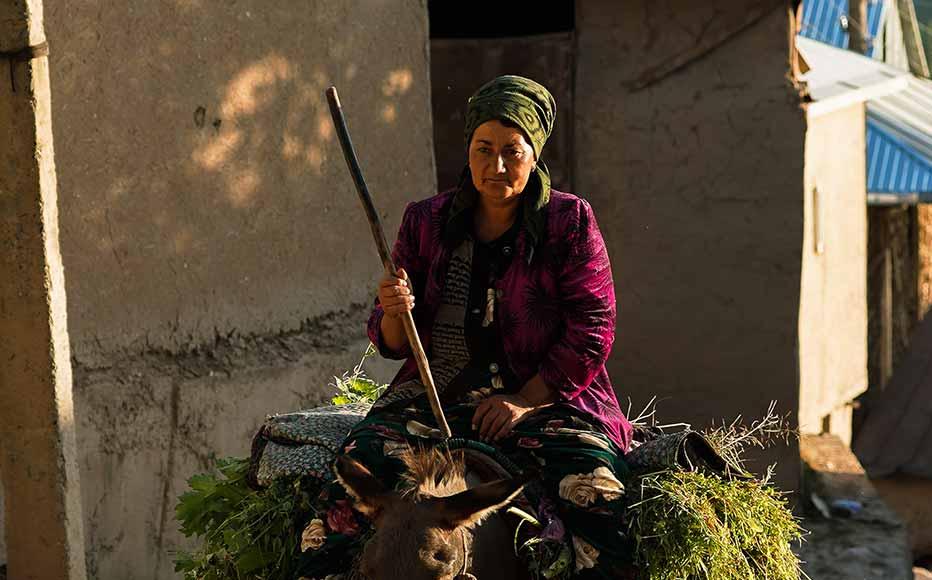
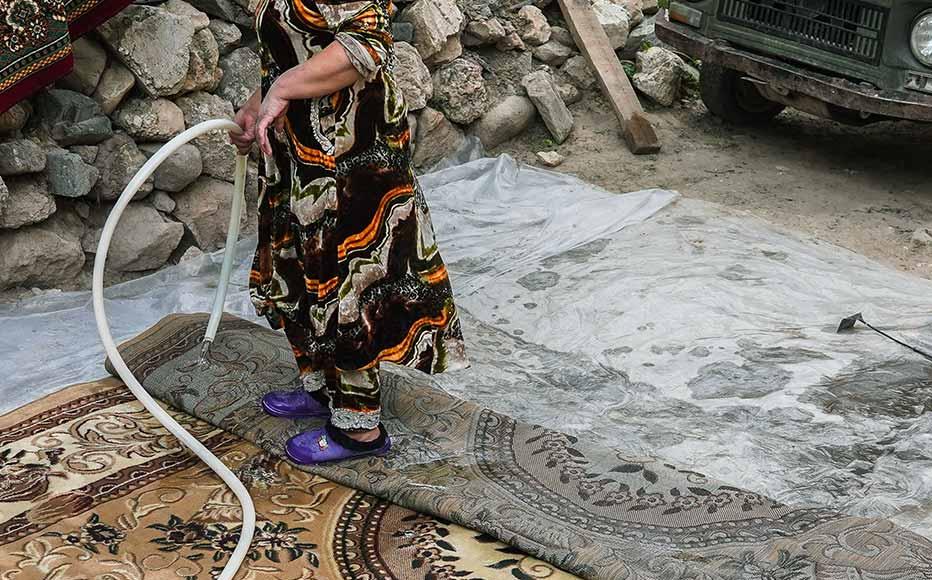
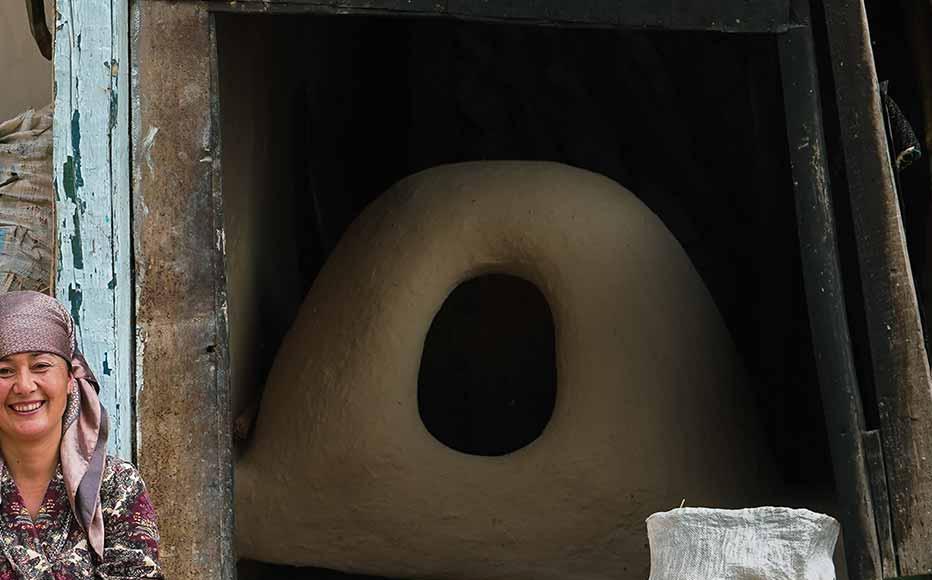
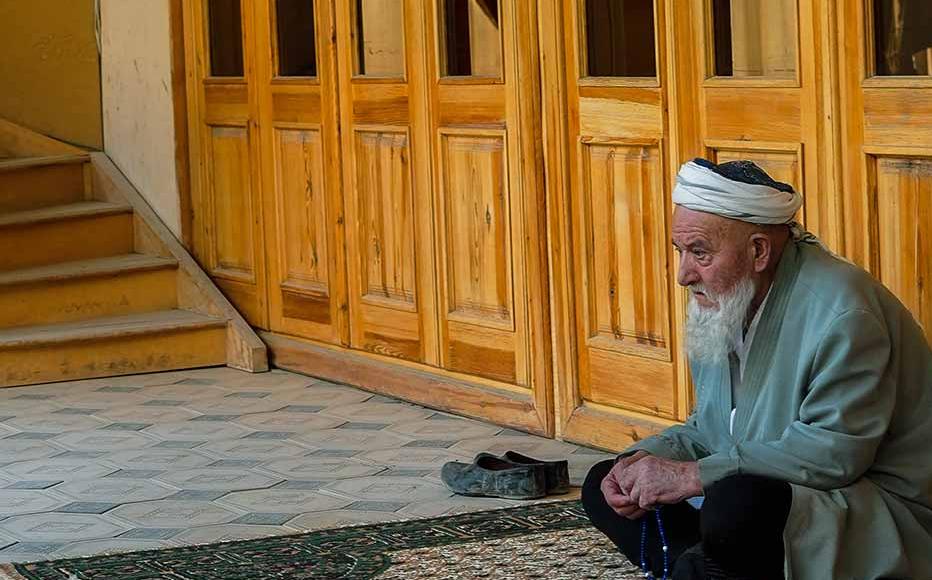
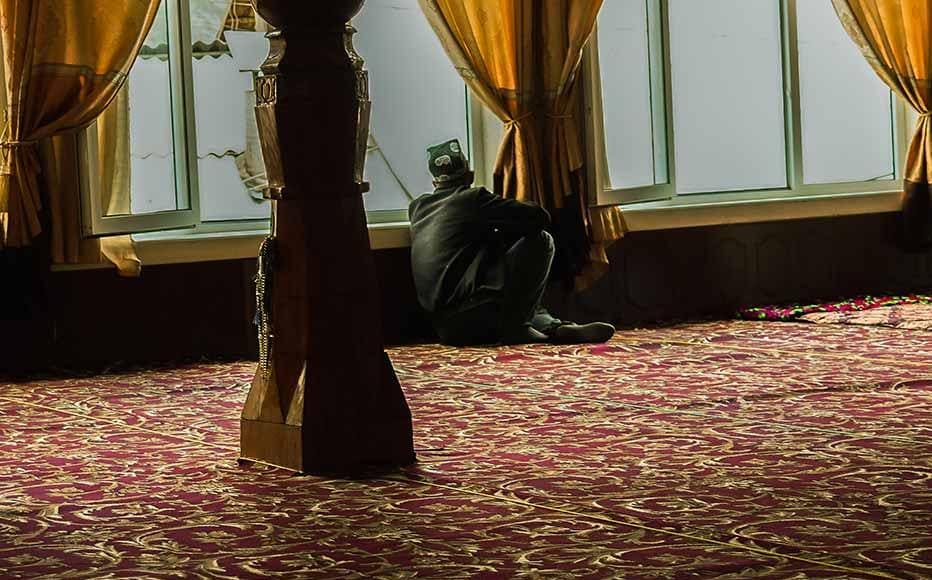
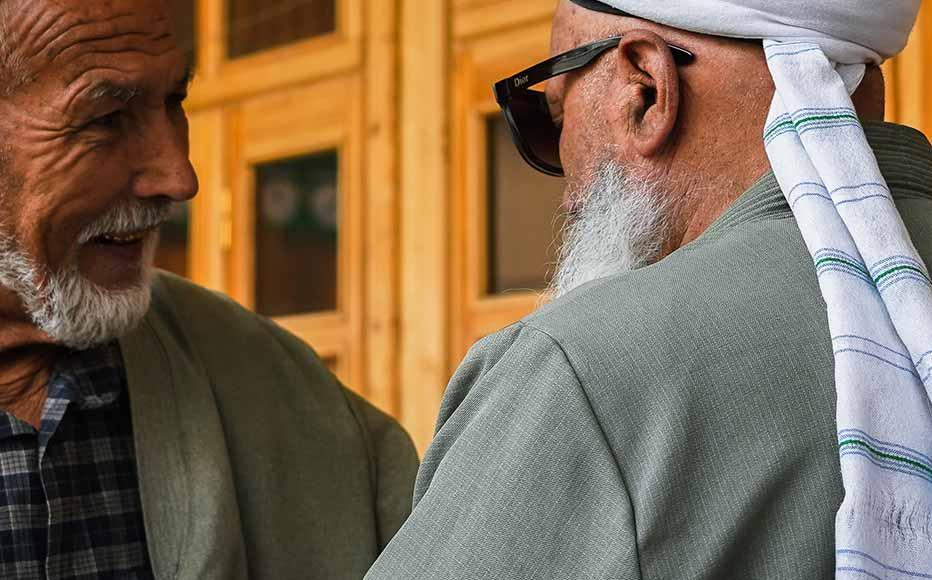
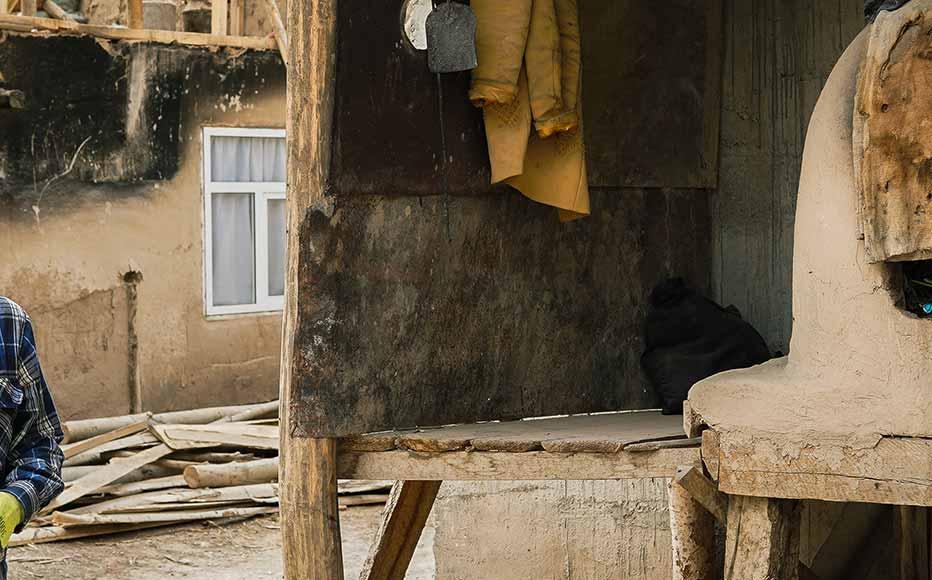
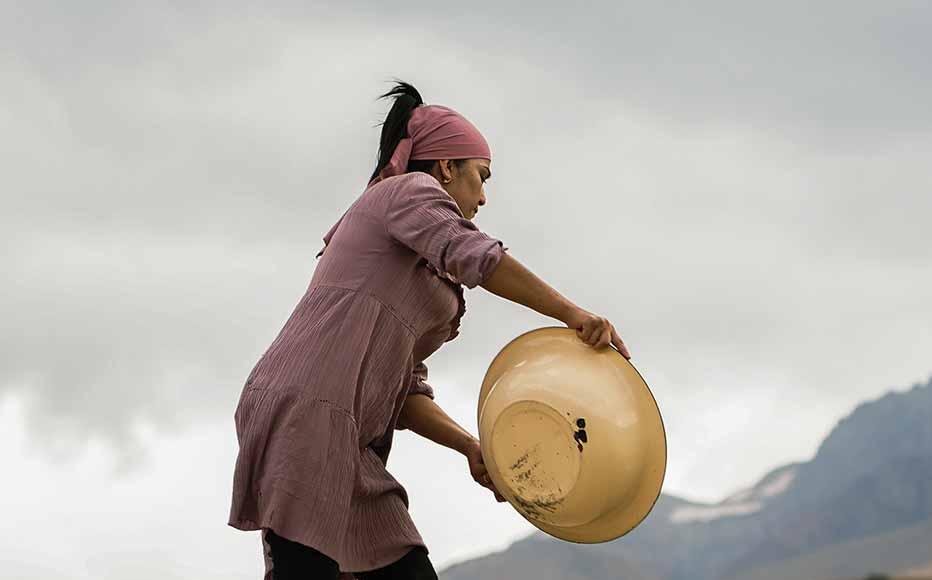
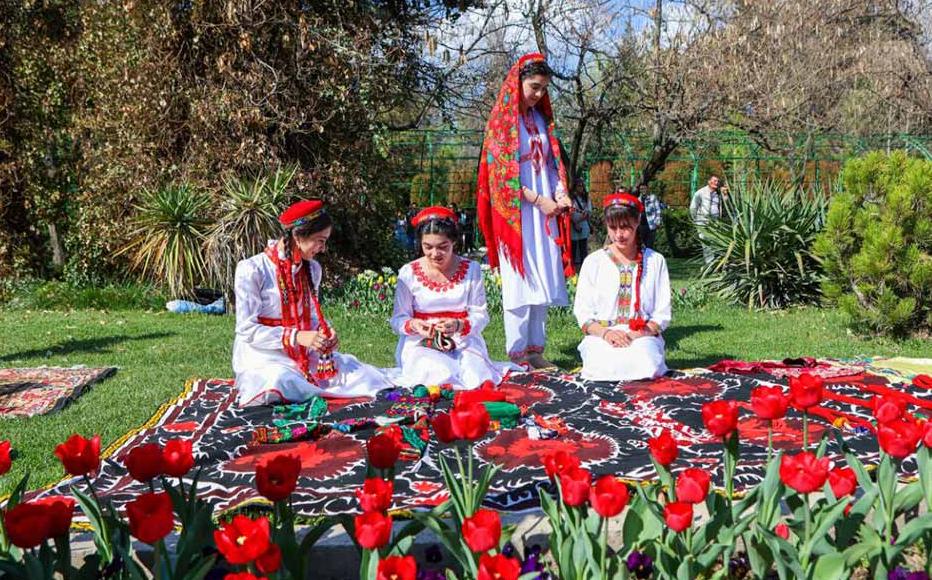
Pressure Builds on Central Asia Media
Freedom of speech in Central Asia has deteriorated in recent years, with fresh restrictions on media and bloggers alike and a growing number of criminal cases initiated against journalists.

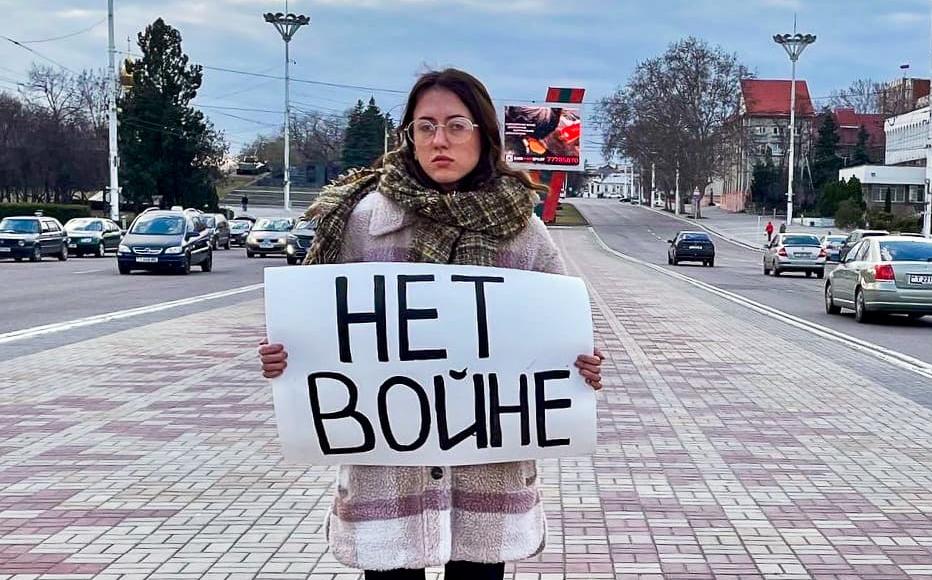
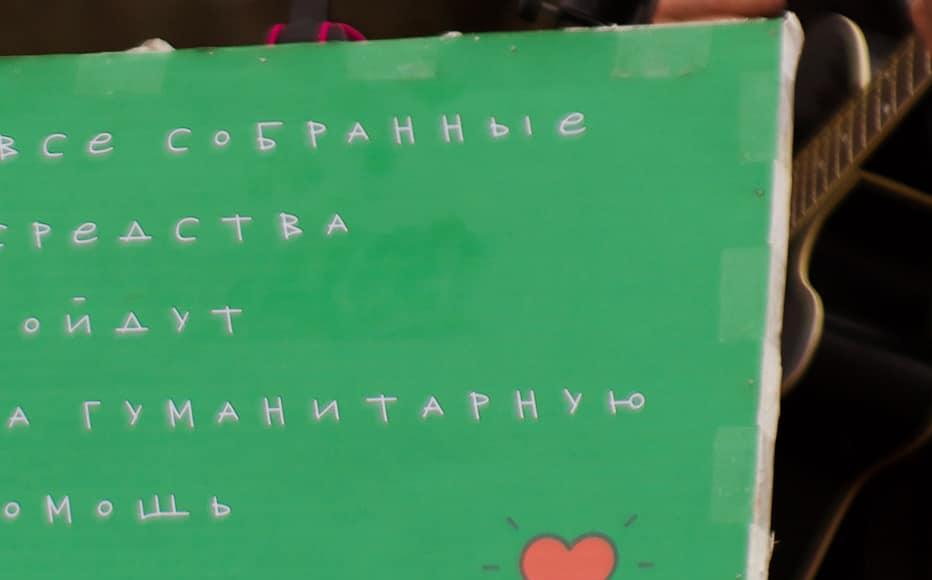
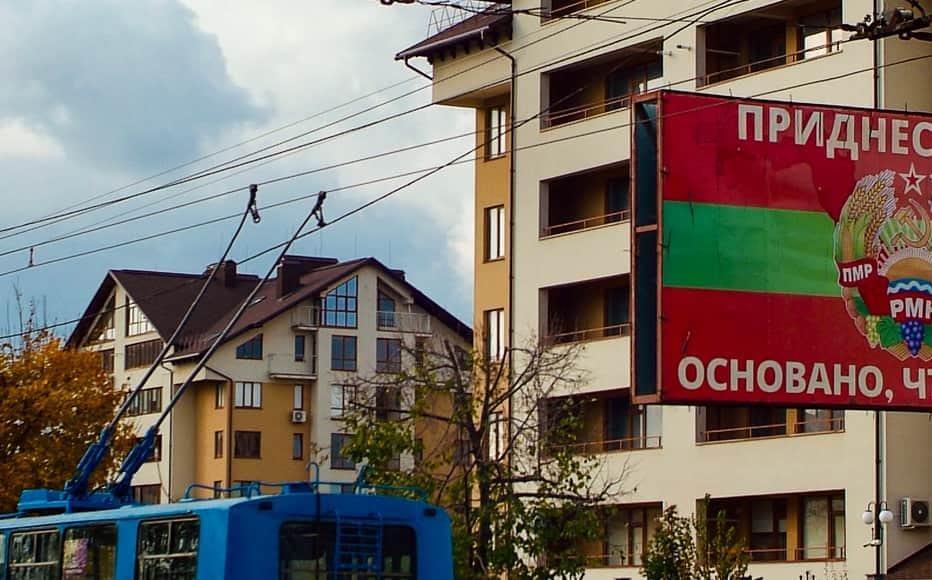
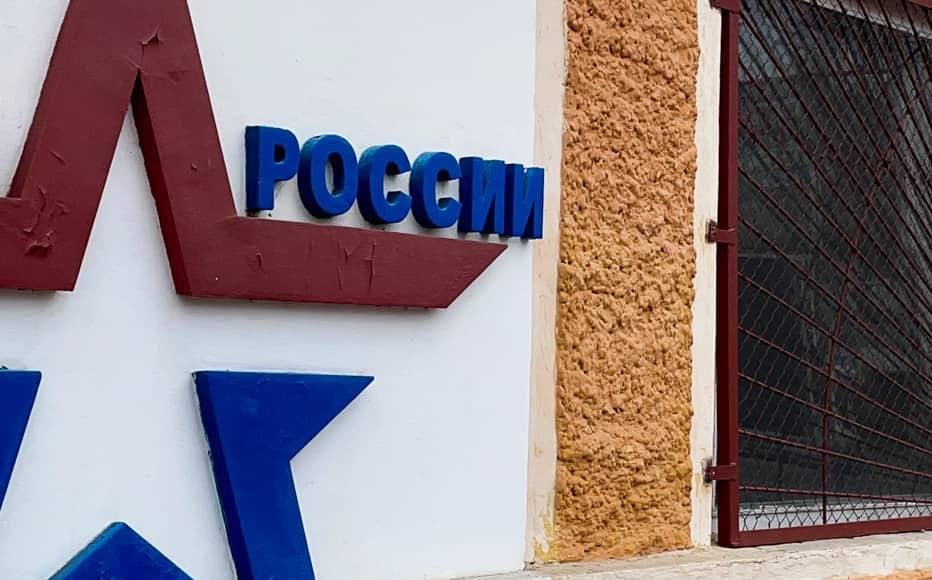
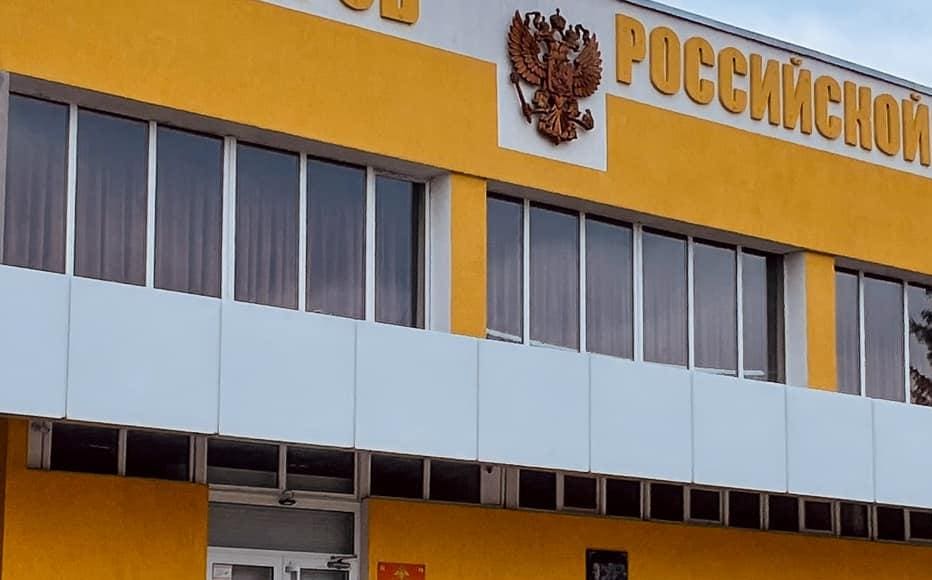
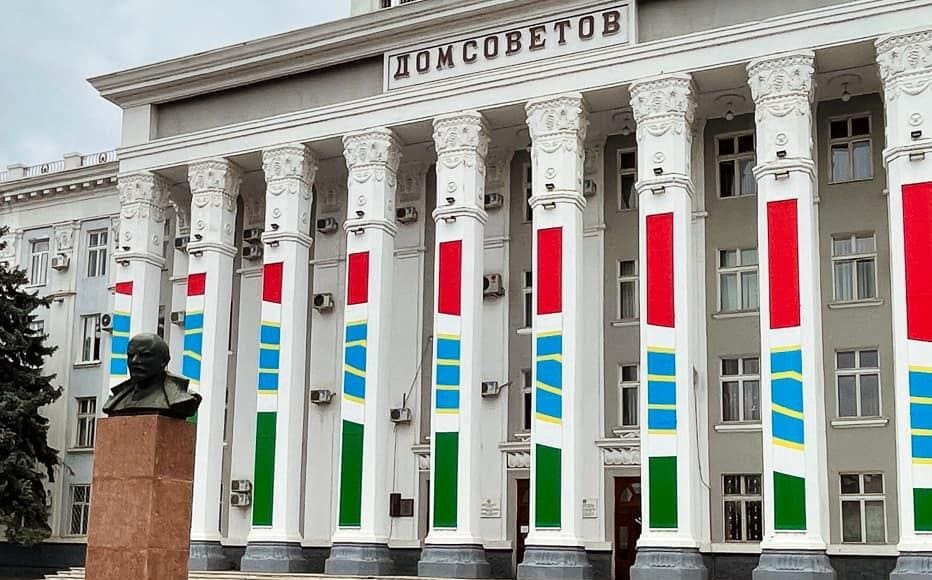
Moldova Struggles to Balance Security and Free Speech
Opinion remains divided on how effective bans on pro-Kremlin outlets have been in protecting country’s information space.

Latin America: Journalism Continues to Hold Power to Account
Despite coming under constant attack, independent media are achieving remarkable impact.

Afghanistan: Journalism Amid the Darkness
Despite brutal repression, independent outlets continue to provide a rare and precious source of information.

Ukraine Needs Justice, Not Charity
Expert calls for international agreement on the legal basis and conditions under which Russian assets can be used for reconstruction and reparations.
Tuesday, 30 April ‘24
This week’s overview of key events and links to essential reading.

Russian Captain to be Tried for Detention and Torture
Civilians were illegally detained and brutally treated during the occupation of strategic town.

Two Russians Sentenced to Life for Murder and Looting
The servicemen killed four civilians and took their mobile phones which helped investigators identify them.

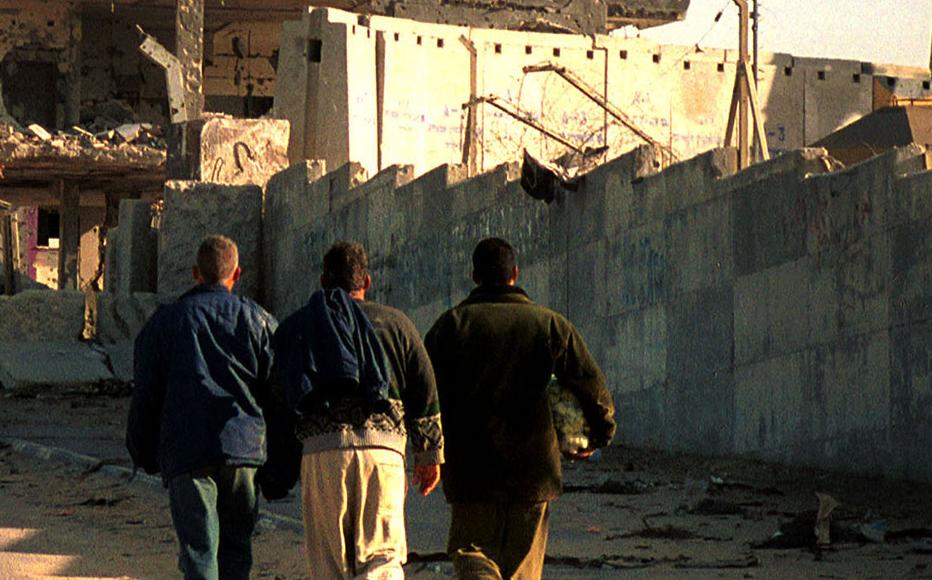
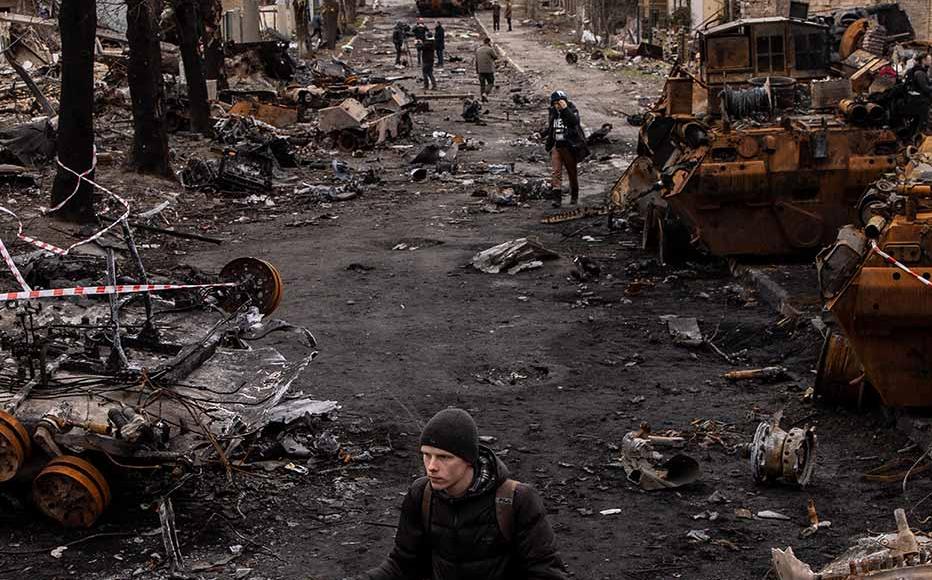

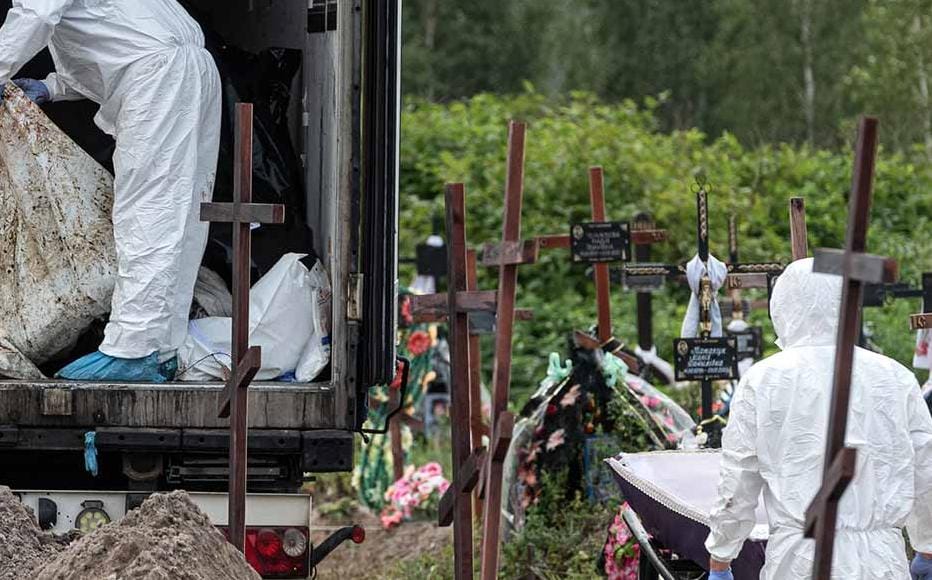

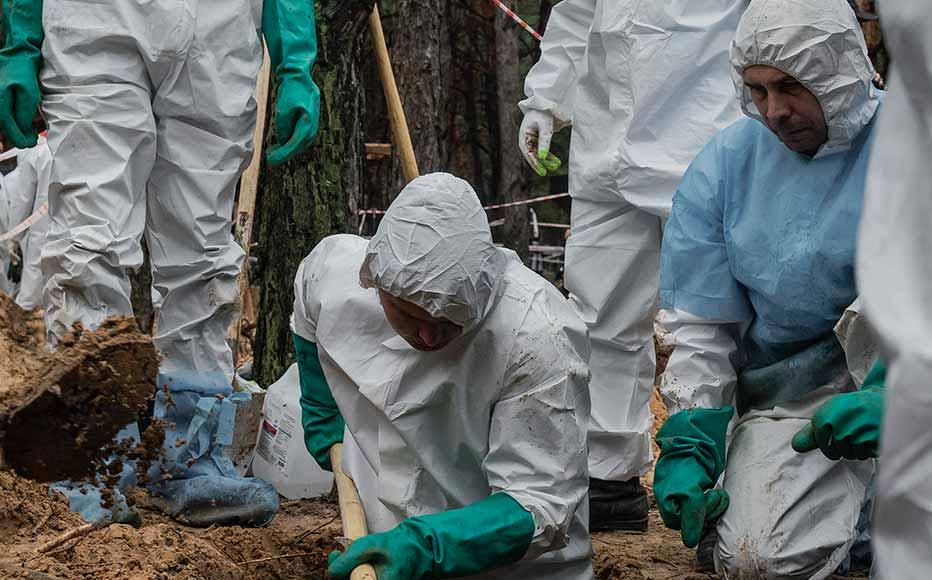


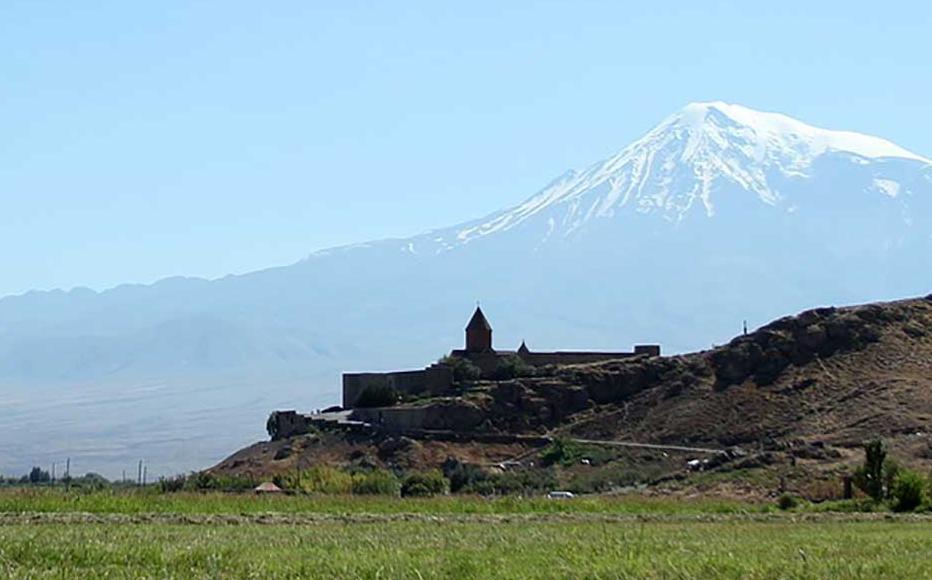


Highlights from IWPR’s Consortium to Support Independent Journalism in Latin America (CAPIR).
An investigation by ContraCorriente, one of the investigative units IWPR supports in Honduras, revealed abuses including robbery, torture and kidnappings allegedly inflicted on citizens by police officers. The investigation also addressed how the state of emergency, in place since 2022, has allowed these abuses to occur with impunity. The authorities deny responsibility, claiming that organised criminal groups are using replica uniforms to pose as police officers.
A transnational publication by the investigative units of Plaza Pública and Criterio media revealed the huge extent of Asian cigarette smuggling in northern Central America. In addition to the health problems and millions of dollars lost to tax evasion, this also finances organised crime trafficking of drugs, weapons and humans. The investigation highlighted the failure of institutional efforts to stop this problem, aggravated by the complicity of officials who help falsify documents.
A story by the IWPR beneficiaries Guardiana and La Nube media outlets revealed the unauthorised sale of "medical preparations" to treat mental illnesses such as depression in a market in Cochabamba, one of Bolivia's largest cities. The story showed how products were marketed without information about their ingredients, including unlicensed natural remedies from Peru and Brazil. In response, the Cochabamba department of health announced it would increase the number of police operatives in the market where these products are sold.

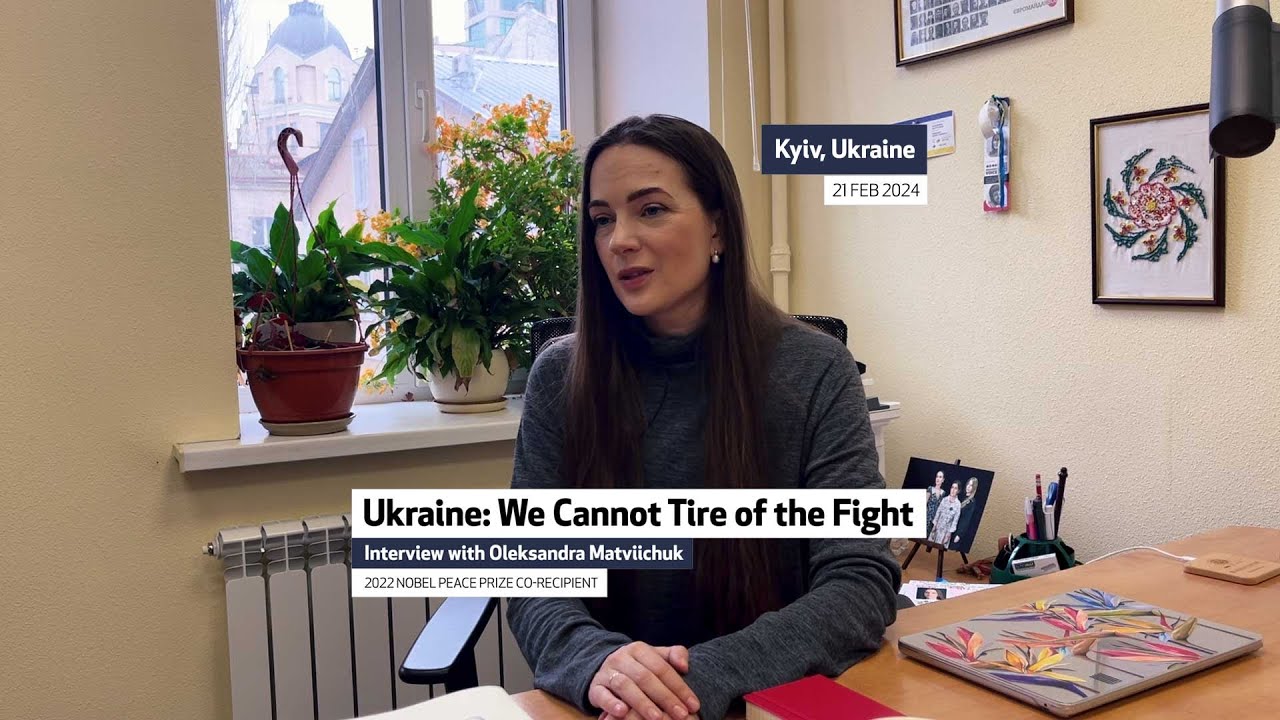
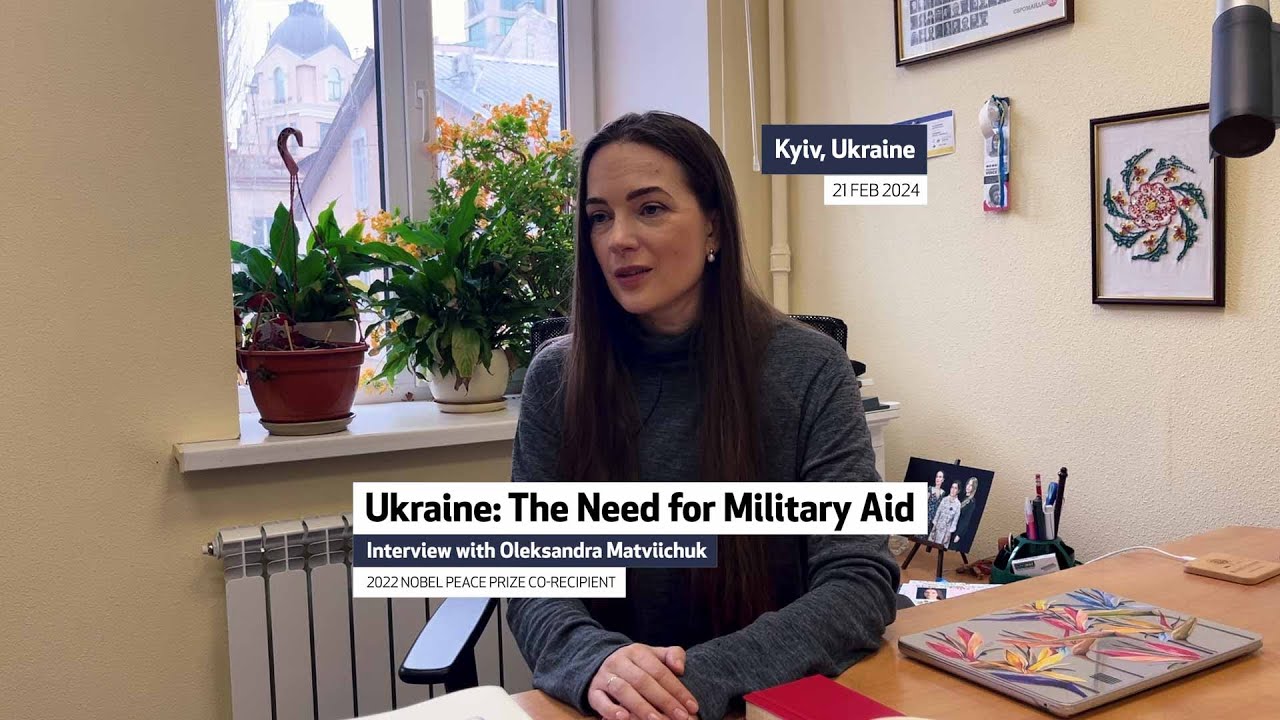
The Oleksandra Technique: On the Road with Ukraine's Nobel Laureate
Ukraine's Nobel laureate Oleksandra Matviichuk embarks on a speaking tour across the US.

Moldova: Workshops Tackle Gender-Based Disinformation
Trainings explore how to identify, tackle and counter the phenomenon.

"Instead of Holding Guns, Let’s Hold Hands"
Regional event brings NGOs together to counteract conflict, instability and insecurity.

BREN Hague Fellowship Week
“We are going to share what we learned with our community and change some lives.”

Taylor Swift, Vladimir Putin and Kids Identifying as Cats
IWPR guide explores how malign actors use gendered narratives to disrupt societies – and lays out techniques to counter them.

New Cyber Resilience Handbook for Women Rights Groups
Guide offers civil society groups practical resources to combat online threats.

IWPR’s Latin America Work Wins Multiple Journalism Awards
Investigations have been recognised by prestigious juries representing the EU, UN and national awards.

IWPR International Women's Day Journalist of the Year
Prize to honour contributors, beneficiaries and partners working in often challenging environments.

Georgia: Peace Prize Winners Tell Tales of Reconciliation
“The root of the intractability of the conflict is the alienation between the parties.”

Lekso Award: Supporting Journalism and Human Rights
Pieces highlight plight of vulnerable and underrepresented communities in Georgia.
Preserving Media Freedom Amid Conflict
Round table highlights cases in which heavy-handed officials prevented access to information.
![[left to right] Goga Aptsiauri, award-winning Georgian journalist with Radio Free Europe / Radio Liberty, Nino Natroshvili, UN Women's public relations and social media expert, and Zviad Koridze, independent media expert, discuss the importance of gender-sensitive reporting, in particular in times of war and conflicts, at a public discussion in Tbilisi on October 11, 2023.](https://cdn.shortpixel.ai/spai/q_glossy+ret_img/https://iwpr.net/sites/default/files/styles/teasers_tablet_322_x_322_/public/images/story/georgia-UN-Women-Georgia-project-1-IWPR-Georgian-Charter-of-Journalistic-Ethics.jpg?h=41f55a5b "[L to R] Goga Aptsiauri, award-winning Georgian journalist with Radio Free Europe / Radio Liberty, Nino Natroshvili, UN Women's public relations and social media expert, and Zviad Koridze, independent media expert, discuss the importance of gender-sensitive reporting, in particular in times of war and conflicts, at a public discussion in Tbilisi on October 11, 2023.")
Gender-Sensitive Reporting in Times of War
New guidelines aim to support journalists in producing ethical conflict coverage.
Ukraine: Supporting Civil Society Oversight
Resources will enable public activists, journalists and ordinary citizens to monitor state expenditures and investigate corruption.

New Centre to Tackle Disinformation in Moldova
IWPR launches one-stop shop for media and civil society to address Moldova’s hybrid threats.

Building Resilience Across the Eastern Neighbourhood
BREN aims to strengthen civil society and enhance the inclusion of women and marginalised groups.

Combating Disinformation in Venezuela
Media and NGO alliance reveals extent to which the issue affects country’s online information space.




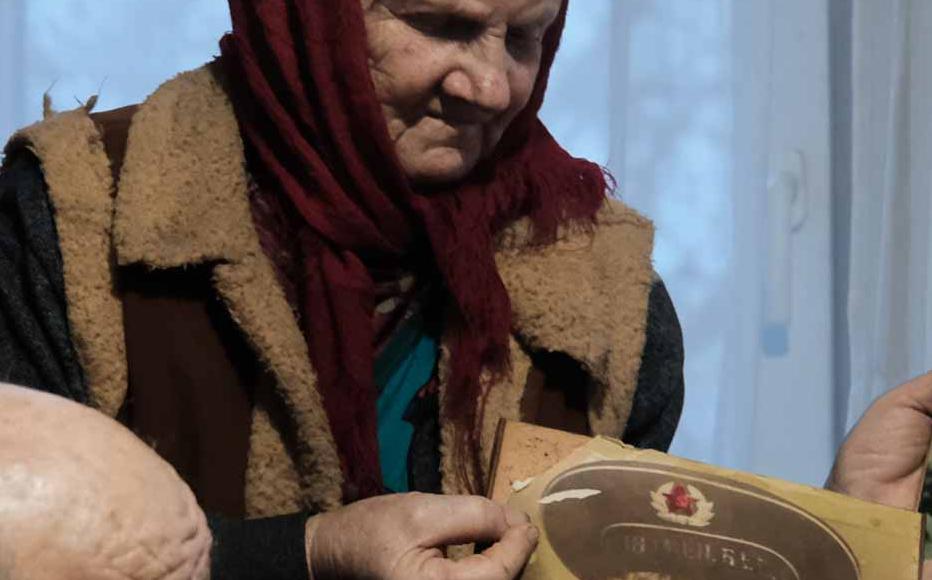

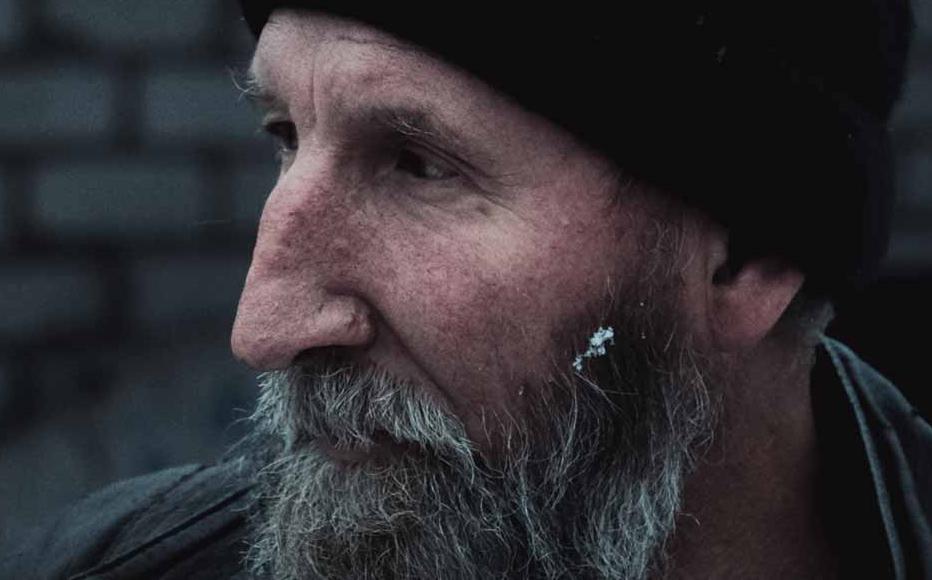




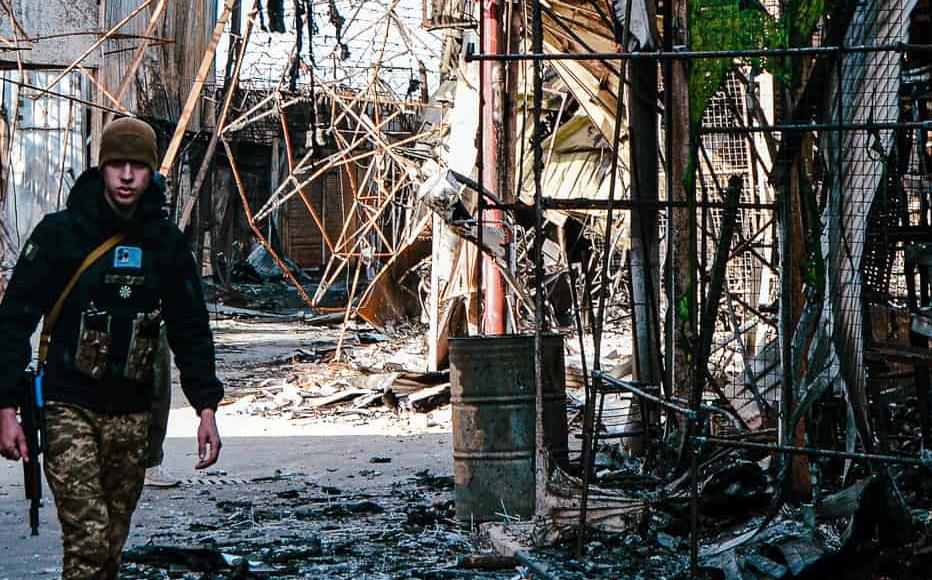

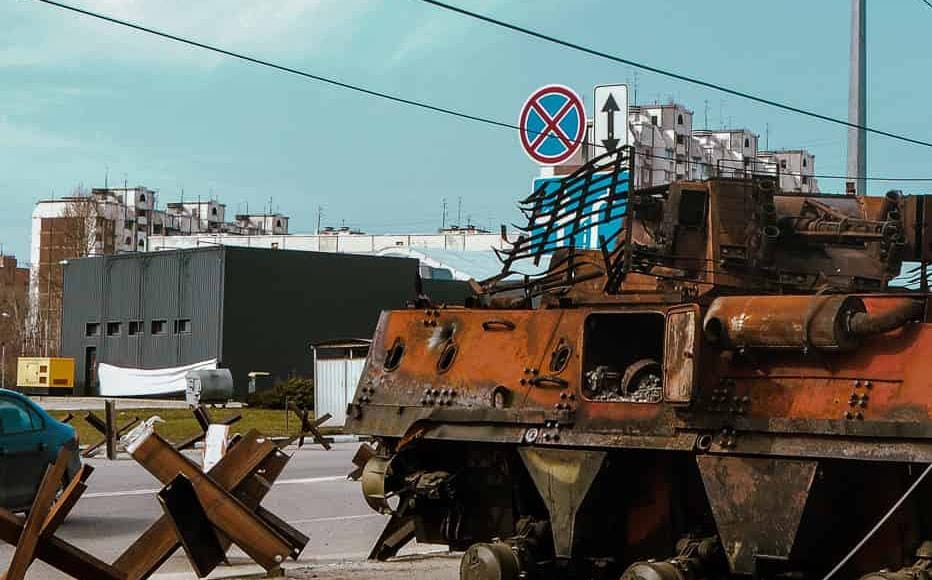
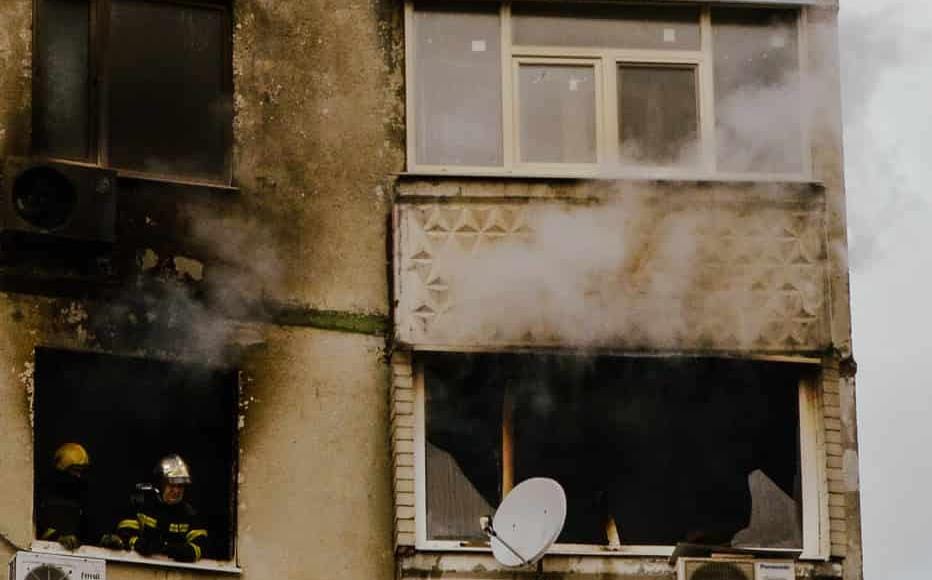
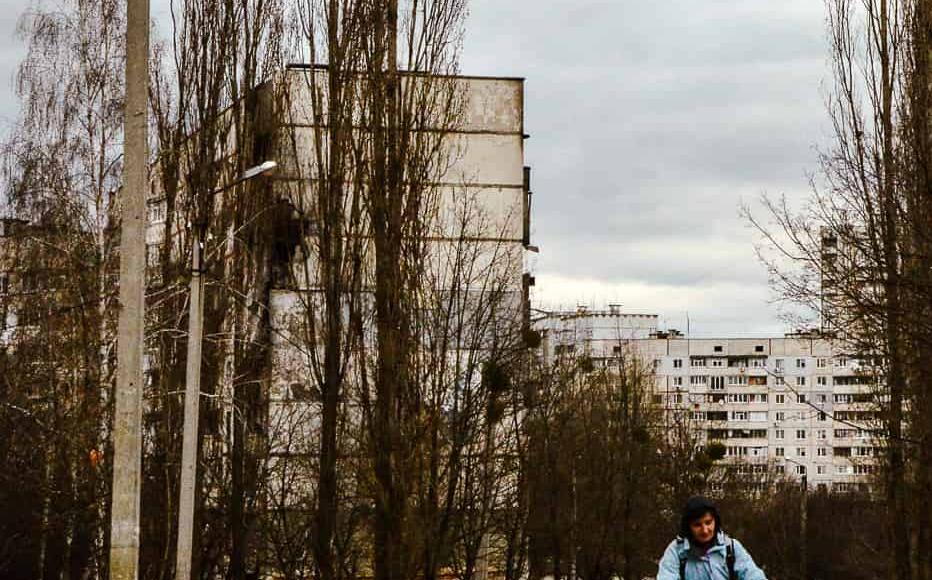





















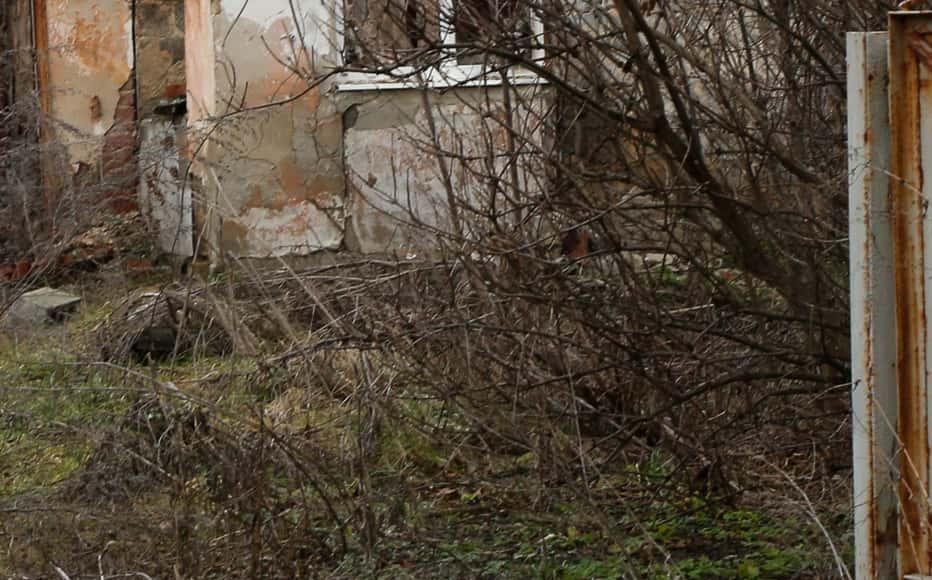
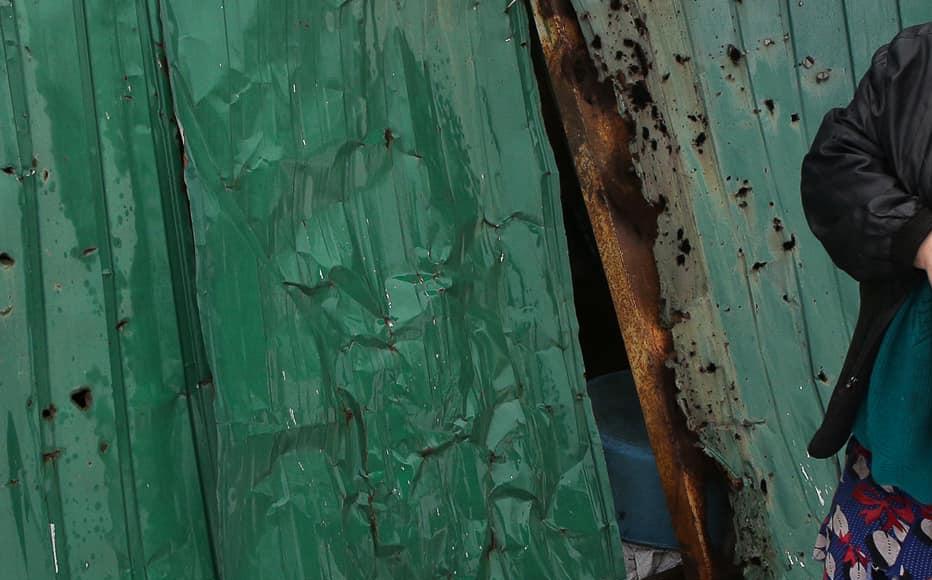
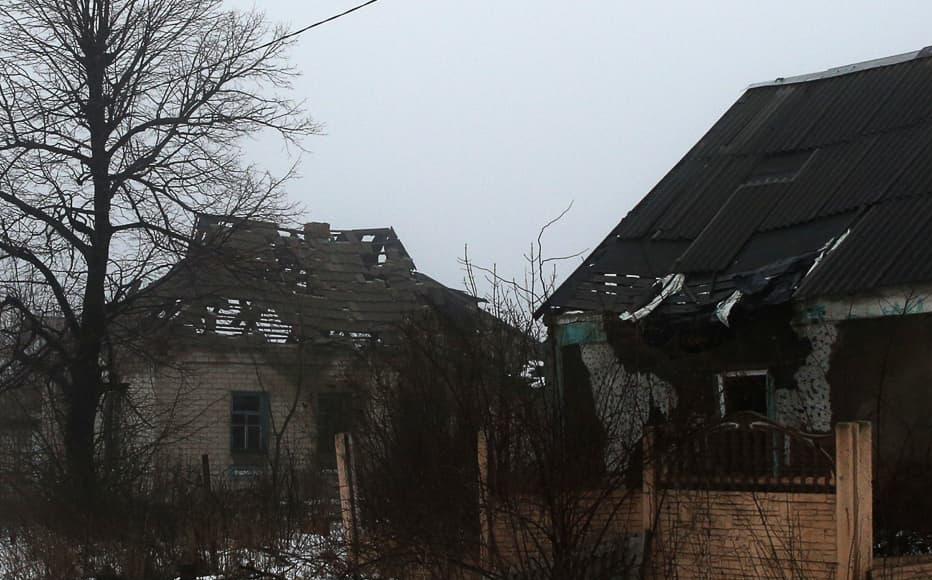
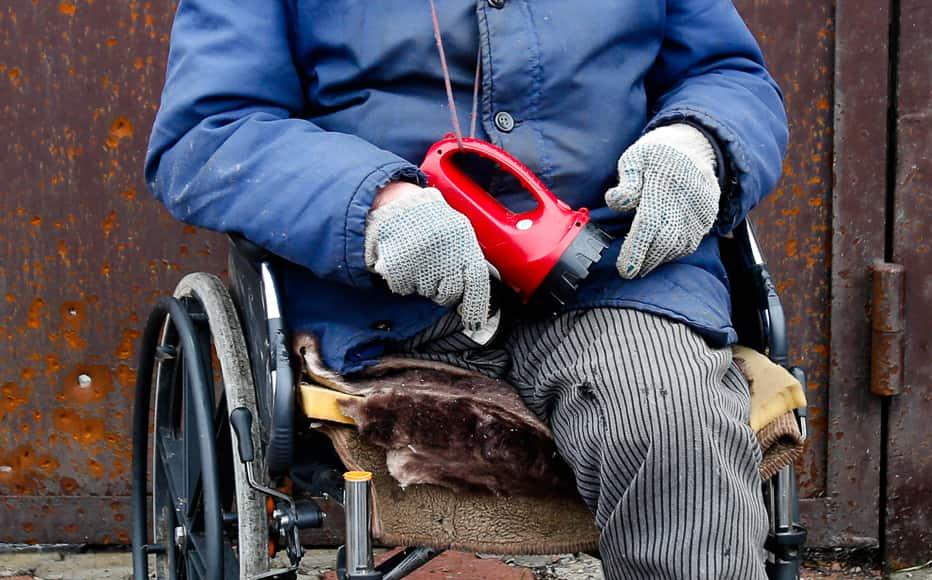
![Lyudmila on the doorstep of her house in Avdiivka. “Victor and I received this land slot from the [coke] plant. There was a pasture. We were young, strong. I remember on the first of May, on holidays, we cleared everything here and began to build the house.” (February 3, 2022)](https://cdn.shortpixel.ai/spai/q_glossy+ret_img/https://iwpr.net/sites/default/files/styles/focus_main_image_932_x_580_/public/images/story/ukraine-Elderly%20People%20On%20the%20Frontline%2002-A%20Stepanov.jpg?h=41f55a5b "Lyudmila on the doorstep of her house in Avdiivka. “Victor and I received this land slot from the [coke] plant. There was a pasture. We were young, strong. I remember on the first of May, on holidays, we cleared everything here and began to build the house.” (February 3, 2022)")
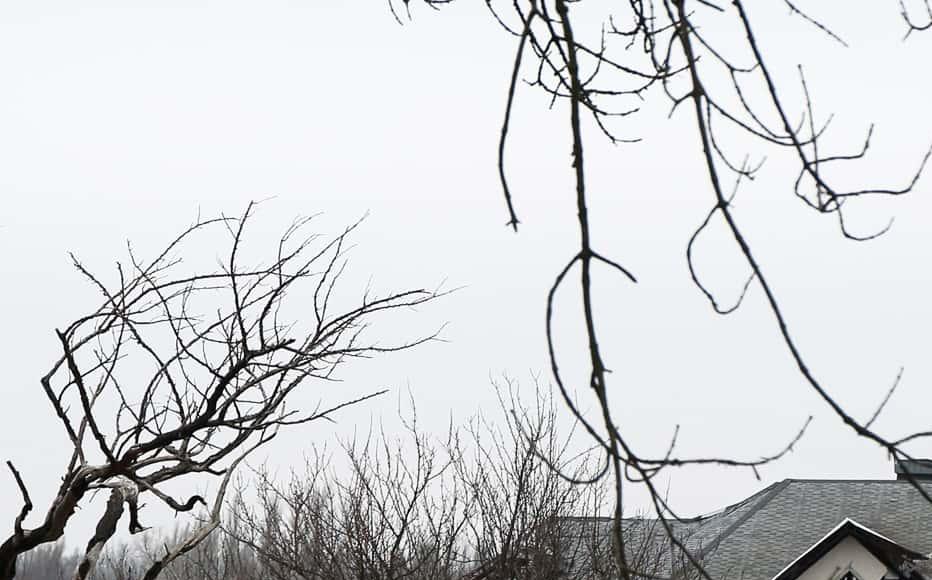
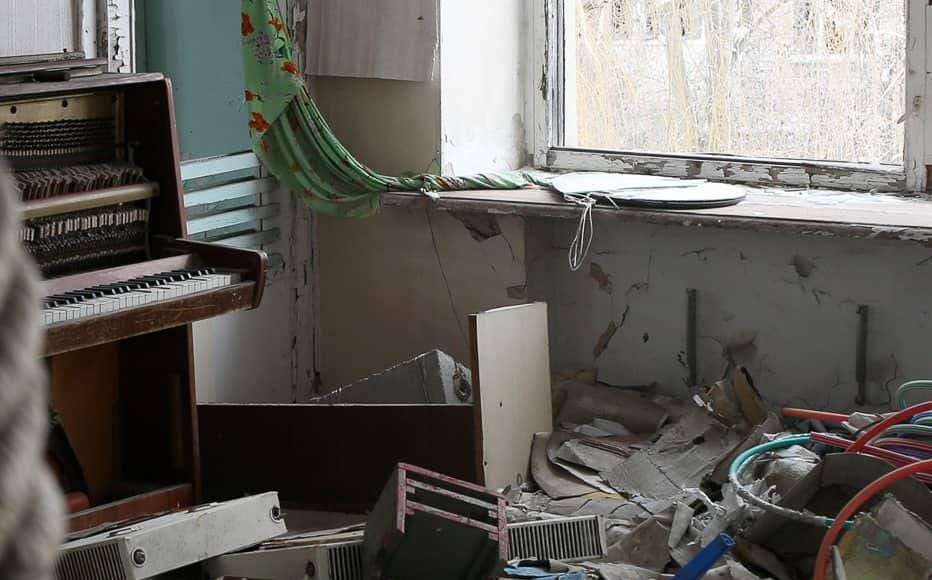

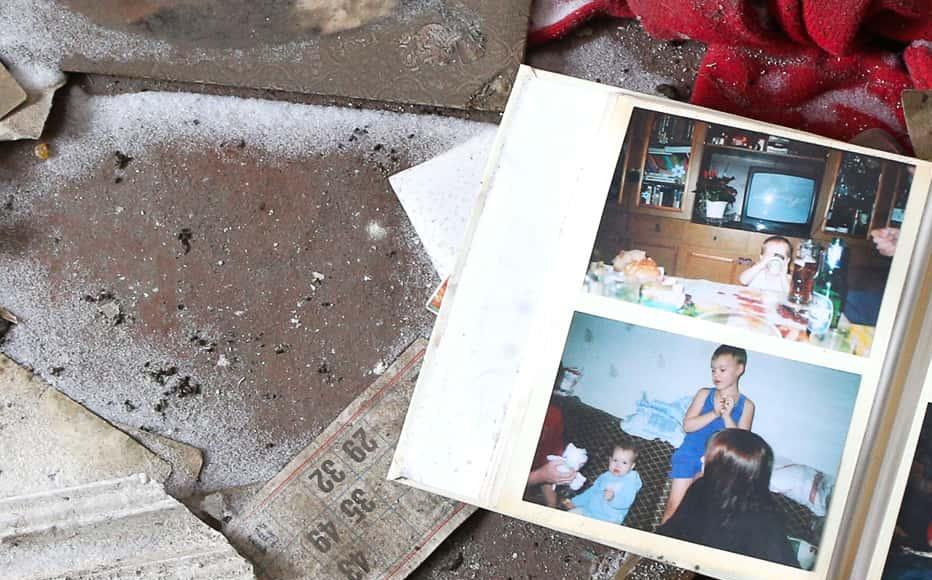

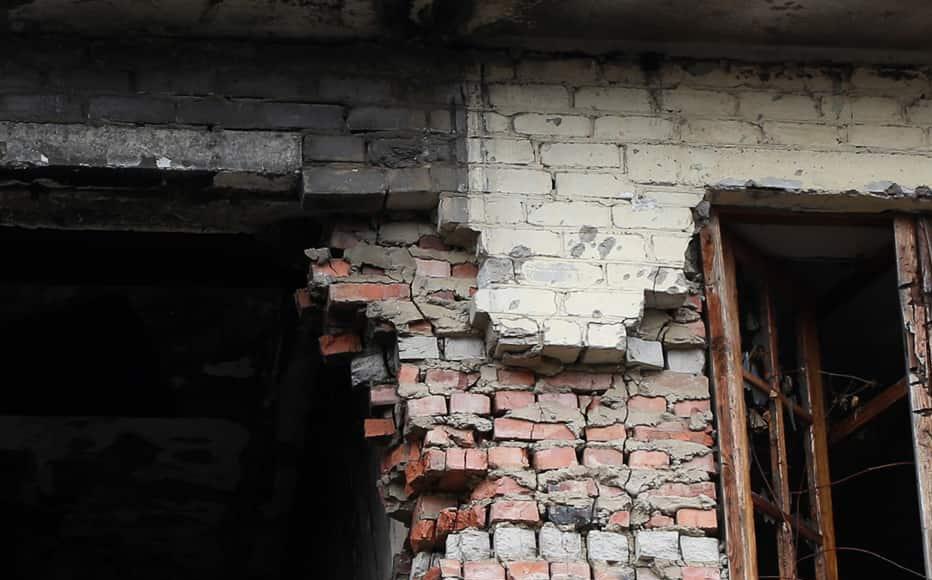











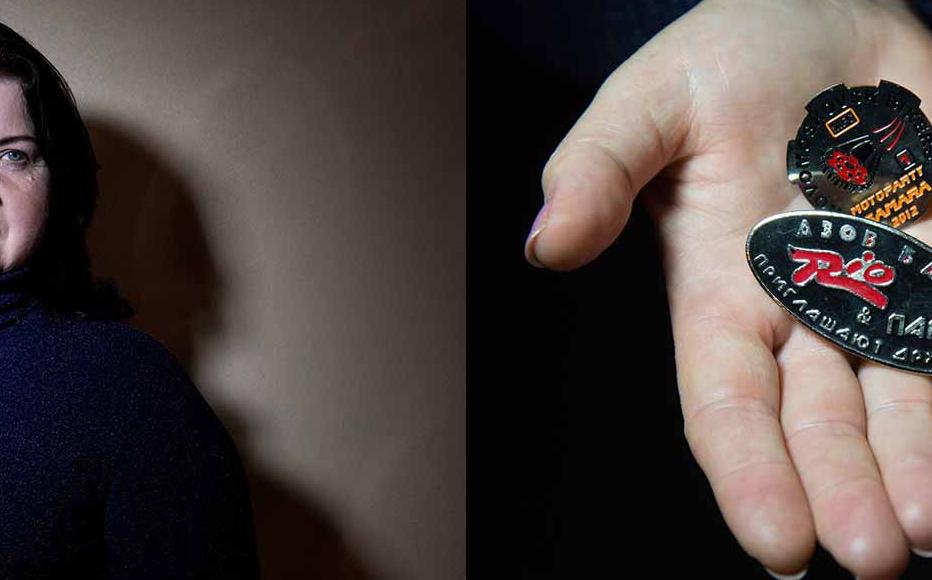
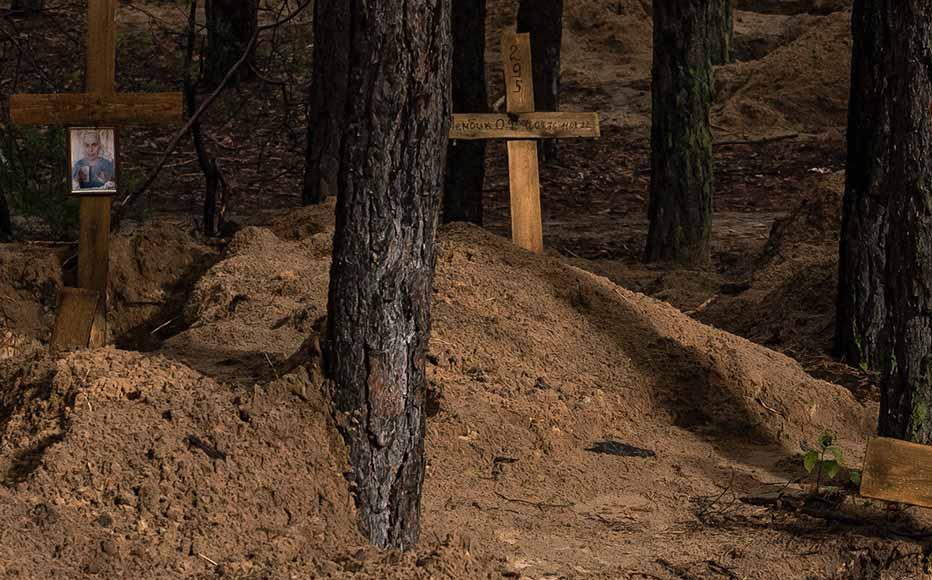
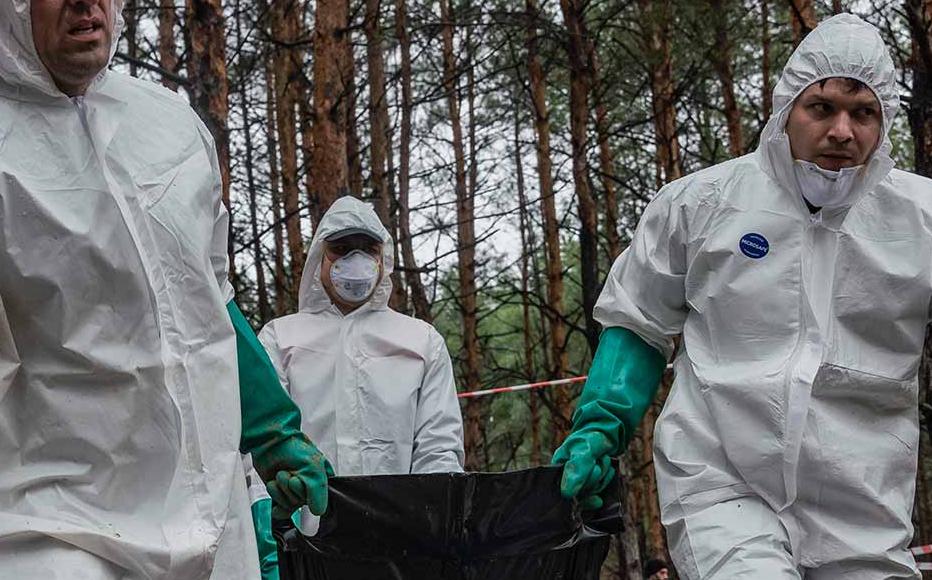
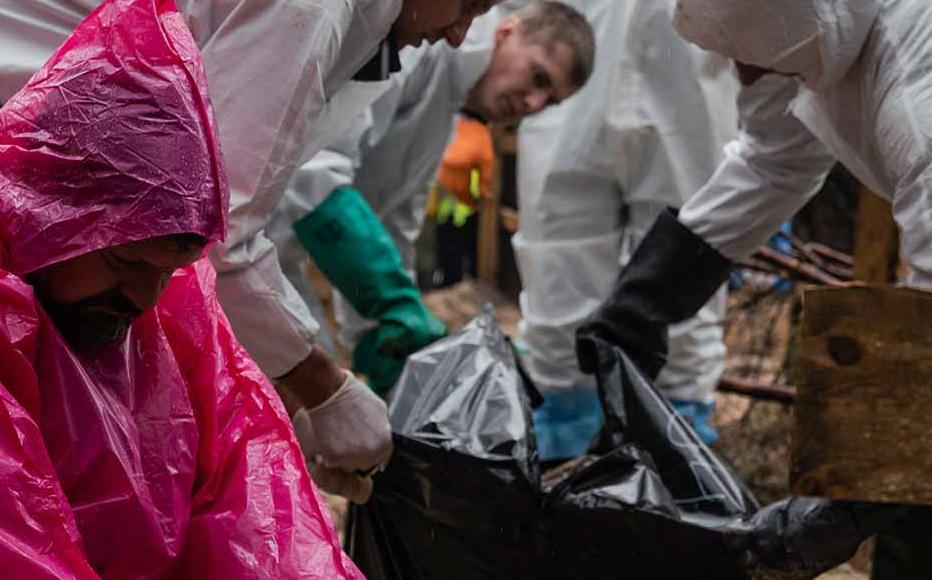


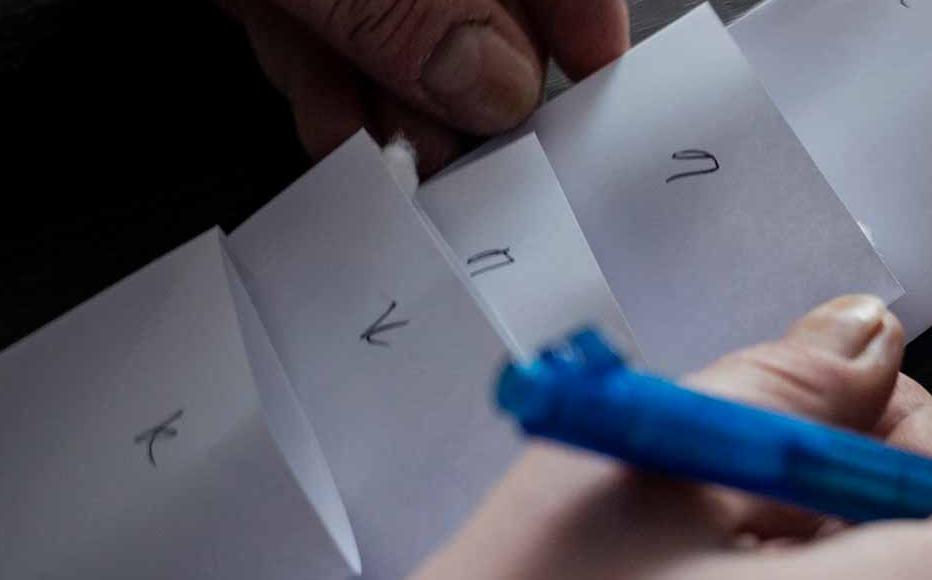
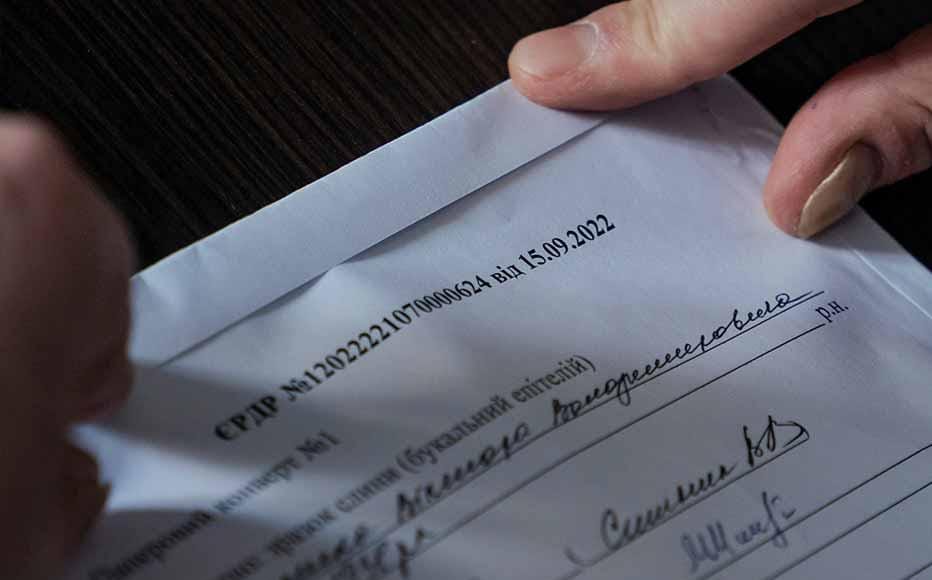
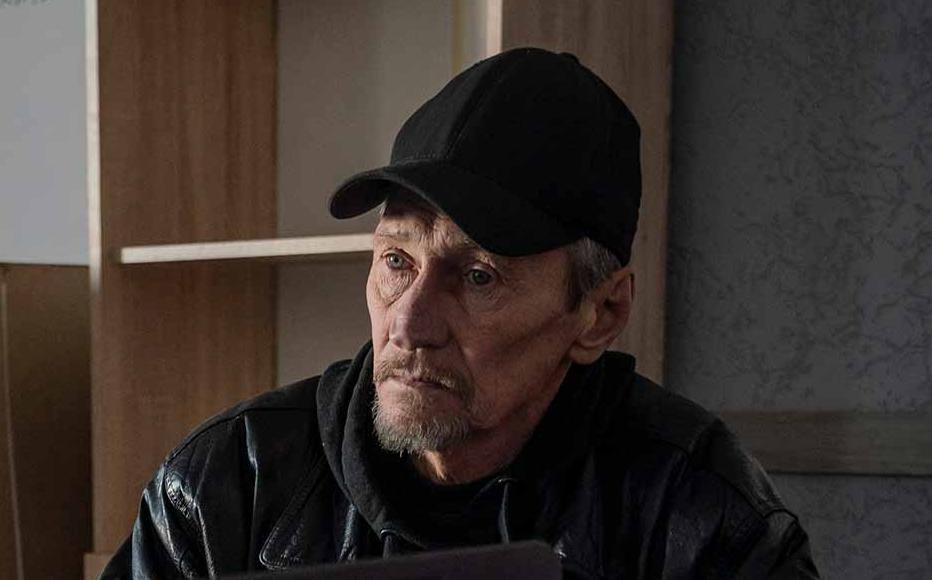
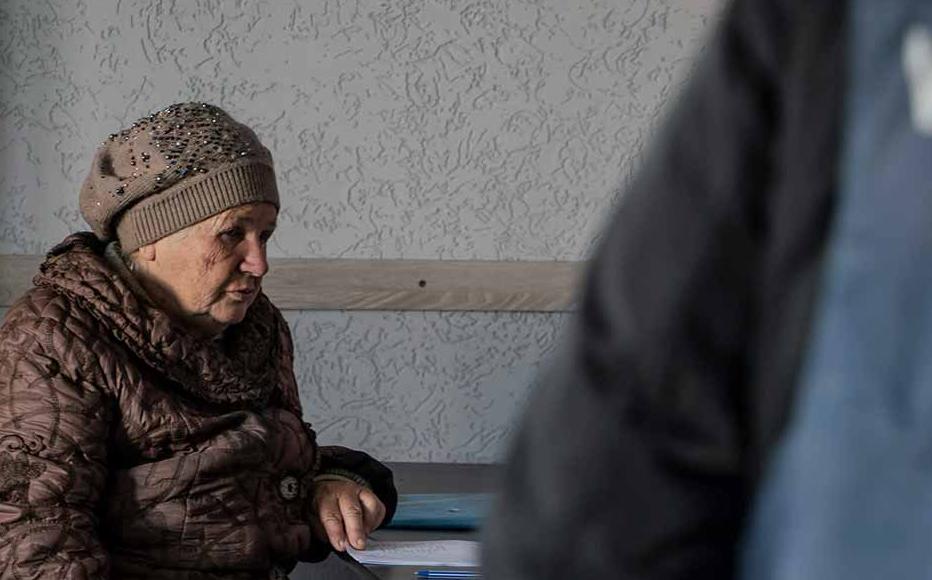
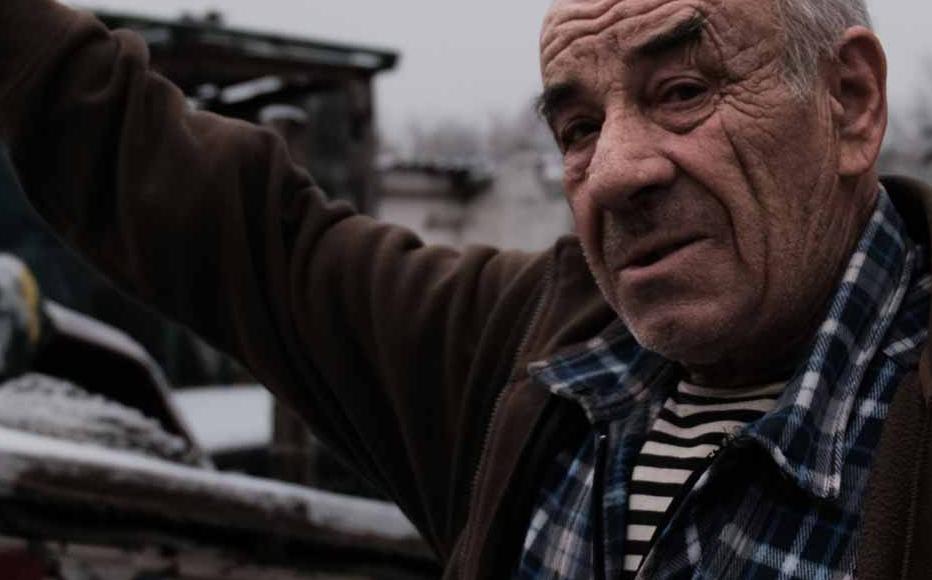
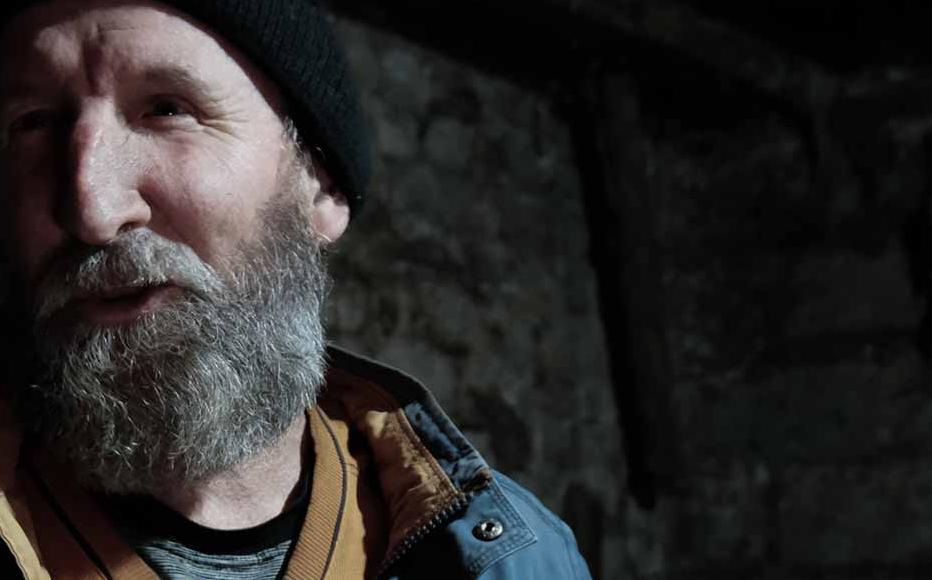
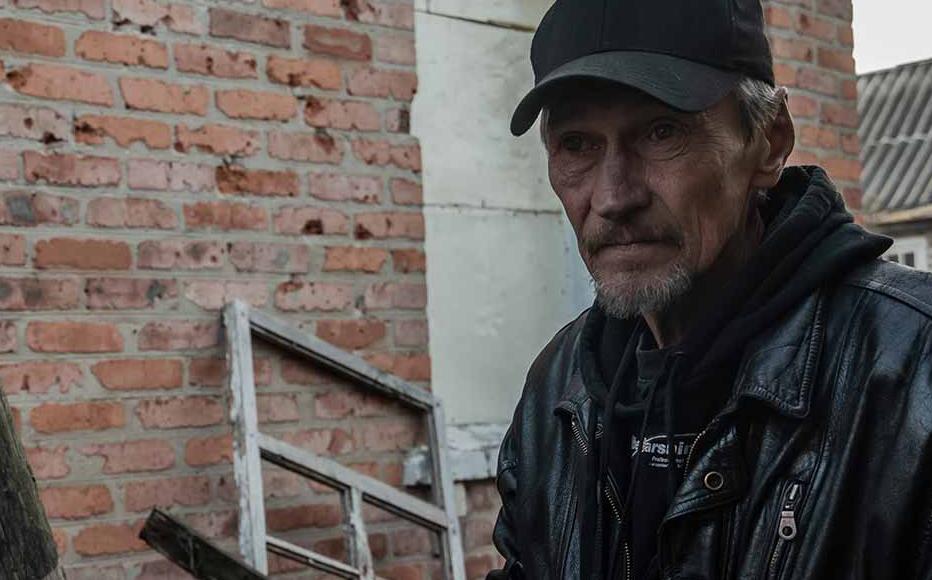
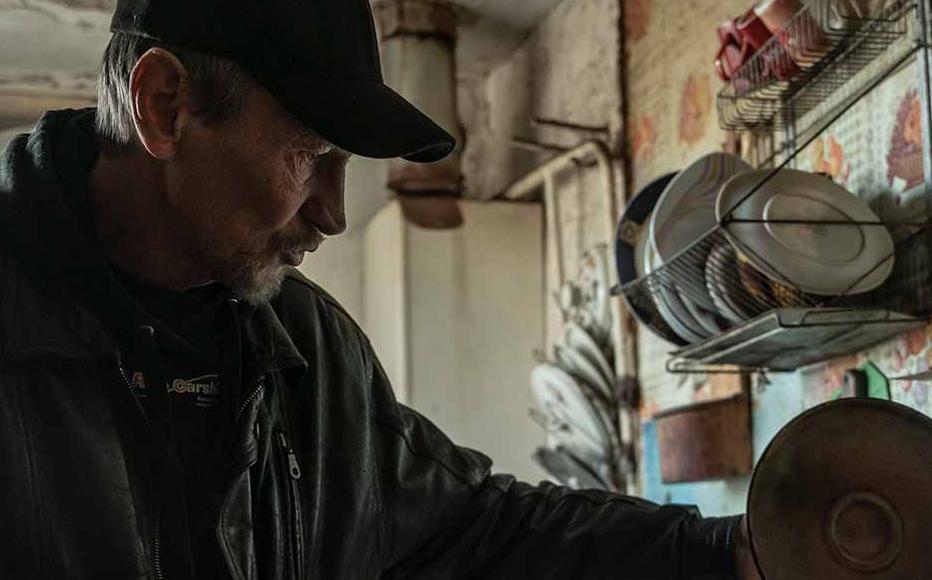
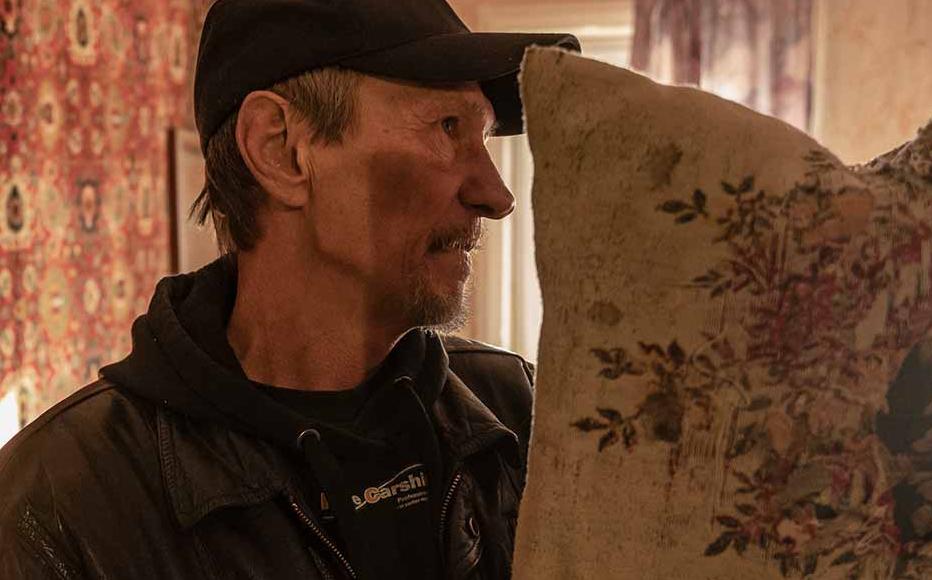
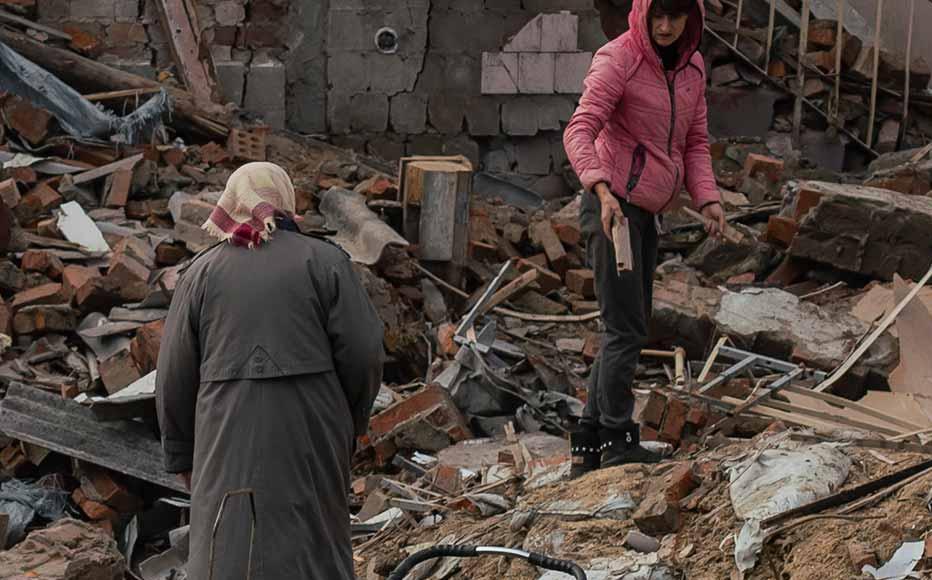
![Viktor Sytnykin in the yard of his house. He is clinging on to the hope that the body of his 90-year-old mother Natalia will be identified. "I don't believe [the Russians] will be punished, but I want my mother to have at least a grave," the former forest ranger said.](https://cdn.shortpixel.ai/spai/q_glossy+ret_img/https://iwpr.net/sites/default/files/styles/focus_main_image_932_x_580_/public/images/story/ukraine-Izyum-essay-15-D-Pavlov.jpg?h=200fd47e "Viktor Sytnykin in the yard of his house. He is clinging on to the hope that the body of his 90-year-old mother Natalia will be identified. \"I don't believe [the Russians] will be punished, but I want my mother to have at least a grave,\" the former forest ranger said.")
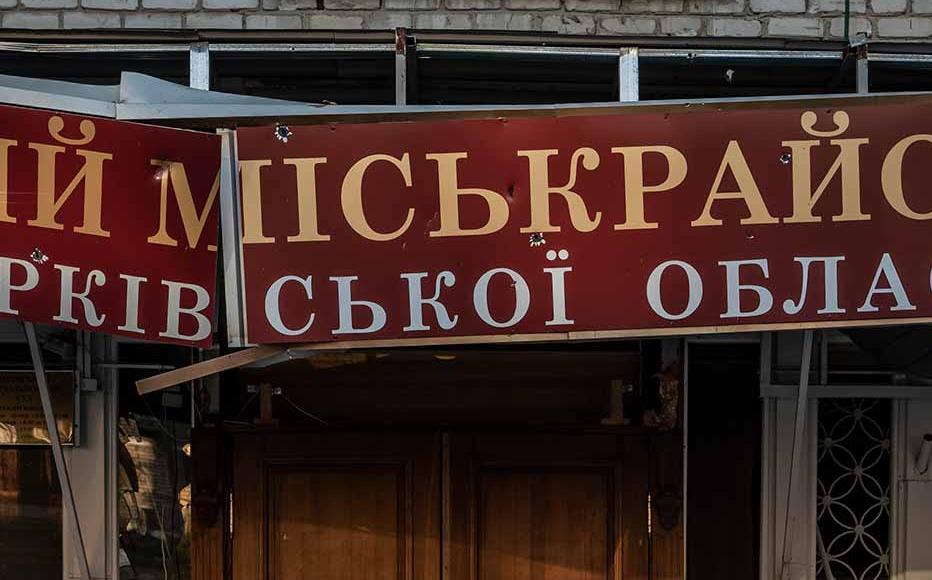

Ukraine Justice Report
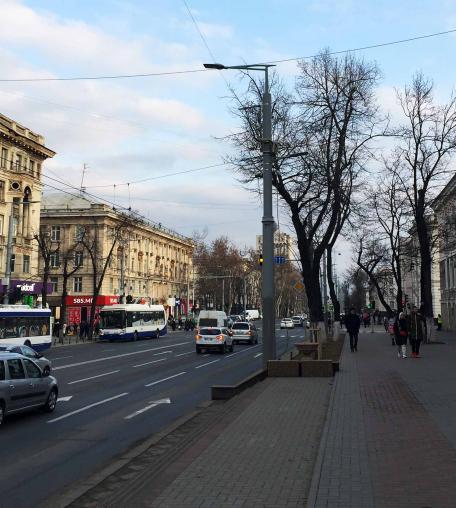
Countering Disinformation in Moldova

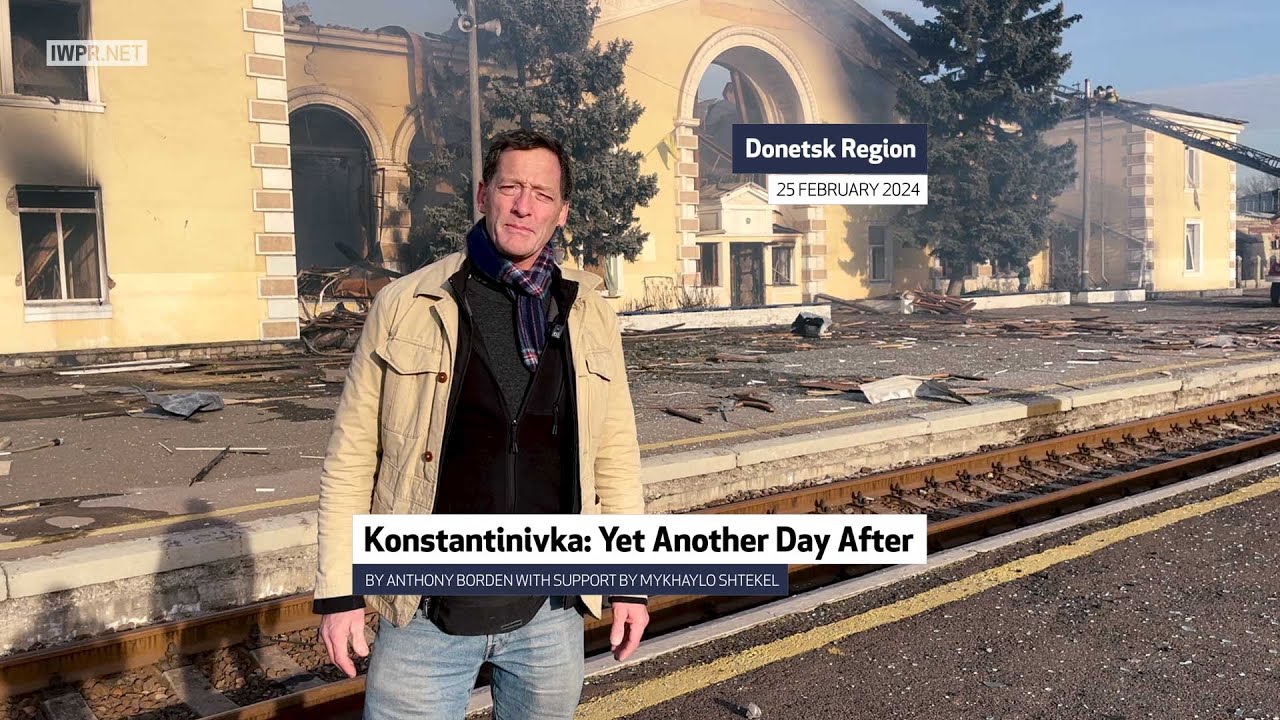
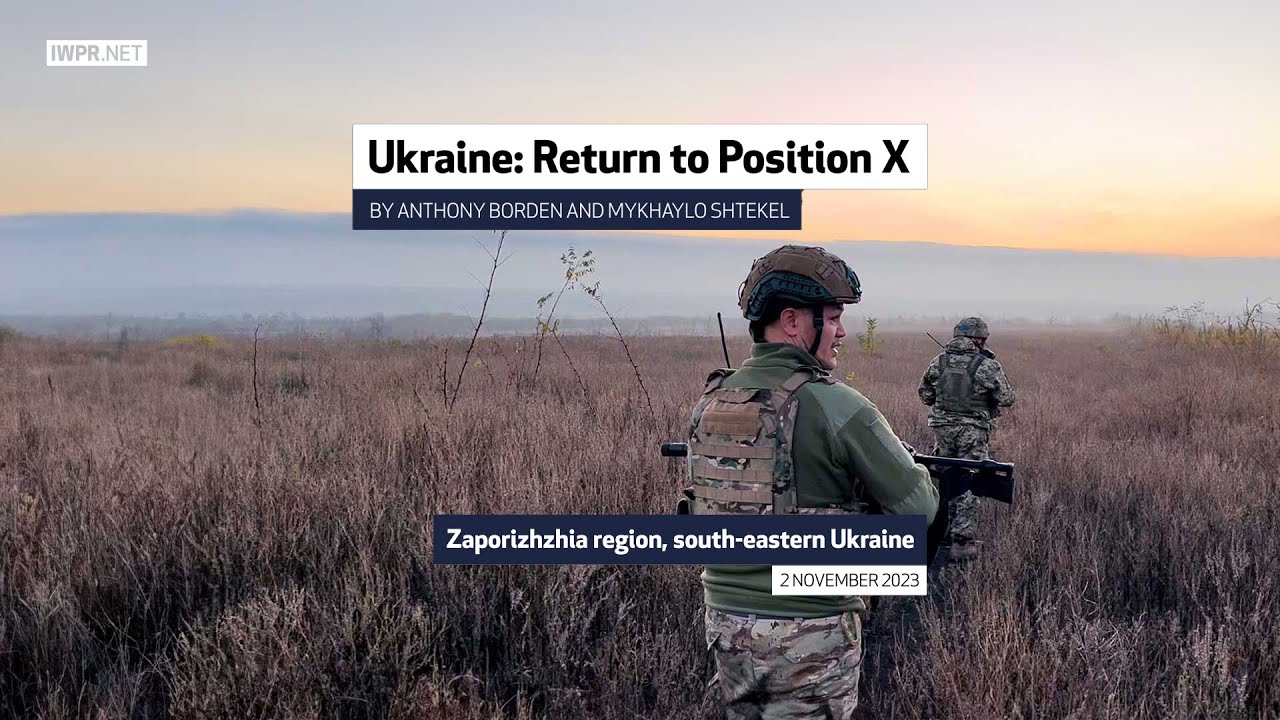
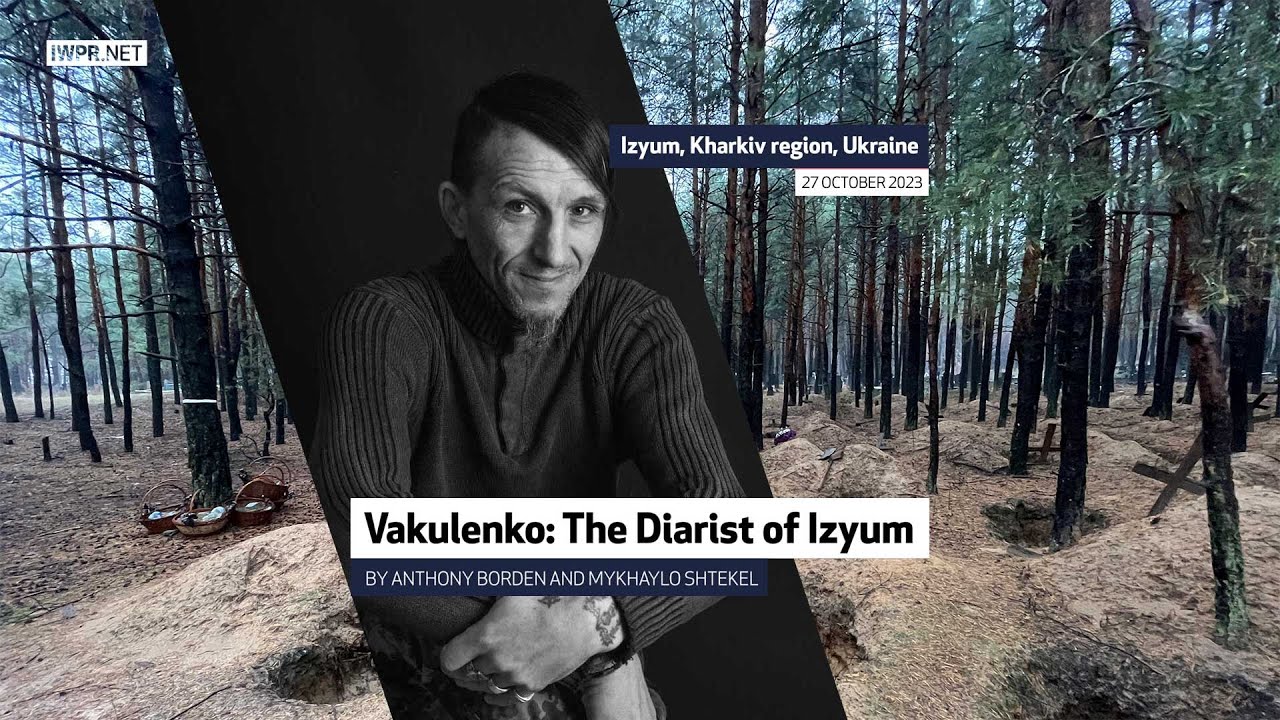
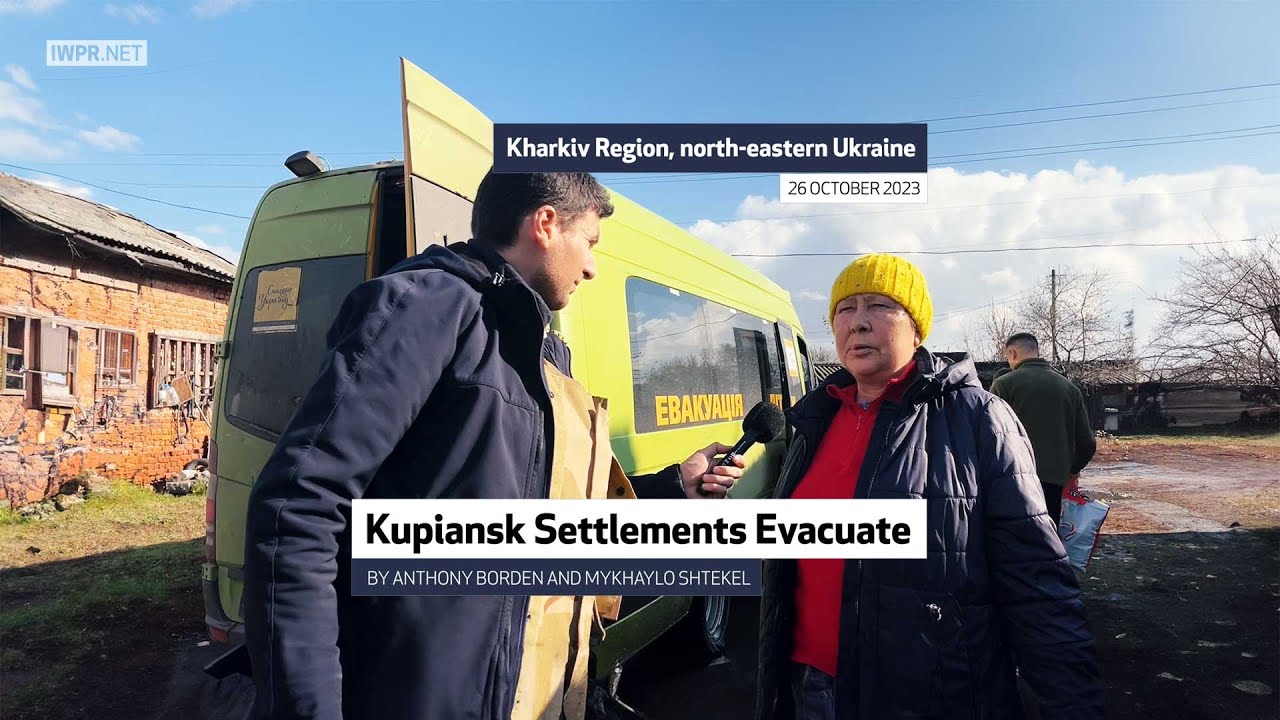
Ukraine War Diary by Anthony Borden
Democratic accountability comes from journalists investigating their own societies – IWPR provides a much needed platform and support for those reporting from some of the most dangerous and difficult places in the world.
Disinformation is a major global threat , especially in conflict and post-conflict areas. IWPR performs a vital mission, building up local voices as a bulwark against this challenge.
IWPR fills a critical gap by helping local journalists to focus on human rights and justice issues. In the process, it contributes to democratic transitions, and demonstrates that the best war reporting is not about military conflict, but human consequences.

Ukraine Justice Report
In the News



IWPR's journalism illustrated by stunning photography thanks to support from GettyImages.